Digg is a warning sign, not proof that the internet is dead
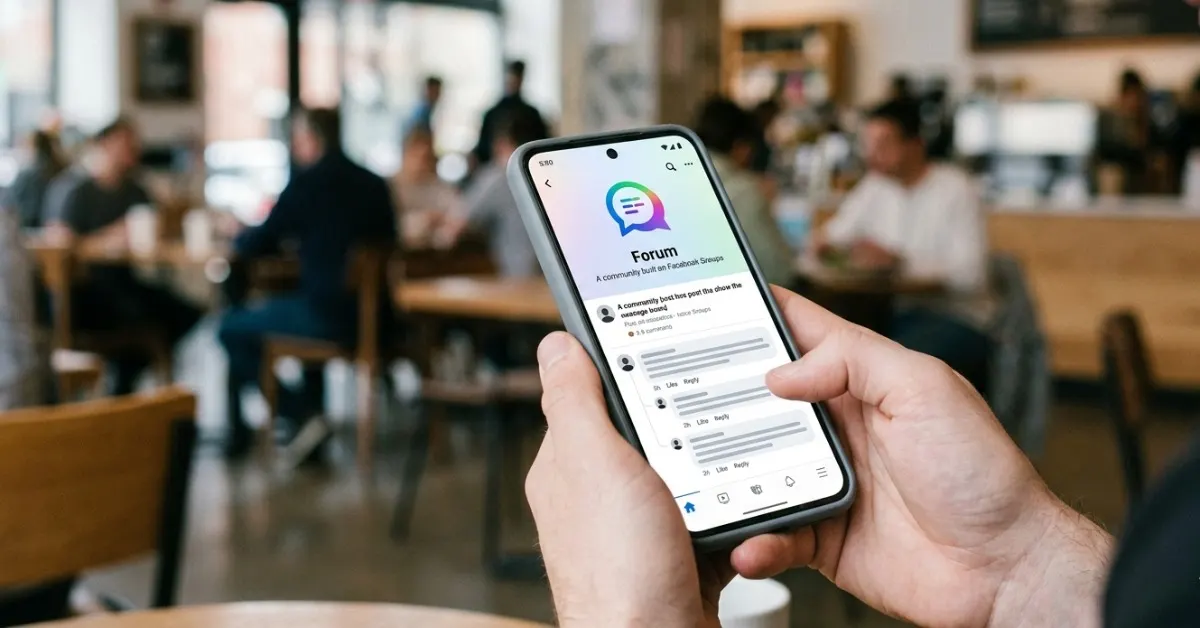
In March 2026, Digg, the social-news brand revived by Kevin Rose and Alexis Ohanian, reset its public beta only two months after opening it. The company did not frame the setback as a simple lack of interest. It pointed to product-market problems, entrenched social platforms and an “unprecedented bot problem” that damaged the trust a voting-based community depends on.
That context matters. Rose helped build the original Digg. Ohanian helped build Reddit. The reboot was not another anonymous social app trying to borrow nostalgia from the 2000s; it was presented as an attempt to make online community less dependent on automated noise. If that kind of project could be overwhelmed before it had time to mature, the problem went beyond one failed product cycle. It showed how hostile the public web has become to new spaces that rely on visible human participation.
The internet itself has not died. People still work online, shop online, organize campaigns, learn, publish and build relationships there. What has weakened is more specific: the open web as a public, link-based layer where independent sites could be found, trusted and sustained without depending entirely on a small group of platforms. That is the useful question, and it deserves a historical answer rather than nostalgia or conspiracy.
1969 to 1995: an open network before platform gatekeepers
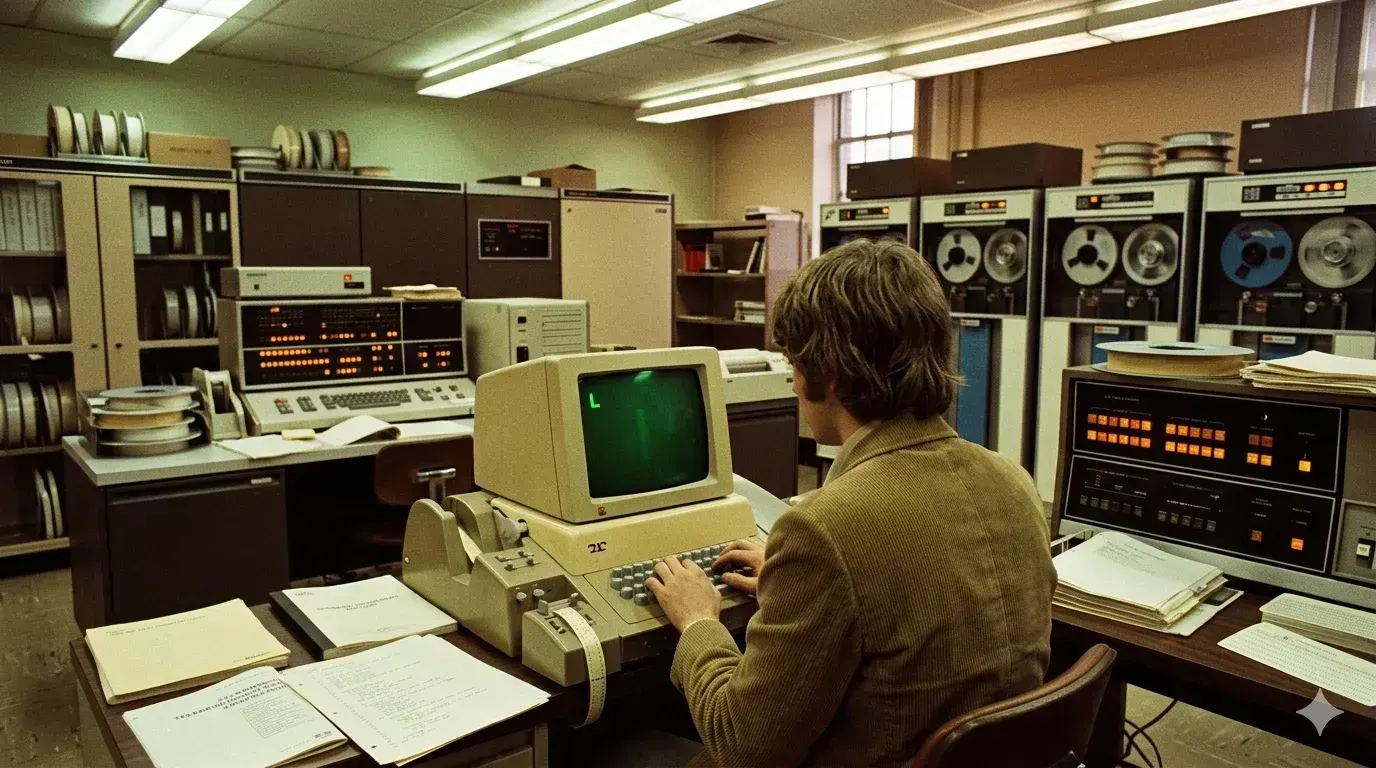
The first ARPANET message was supposed to be “LOGIN.” On October 29, 1969, UCLA student programmer Charley Kline sent the first two letters, “L” and “O,” to the Stanford Research Institute before the system crashed. The detail still feels fitting: the network that would eventually support the modern internet began not with a polished launch, but with a partial message and a technical problem to solve.
For the next two decades, the internet remained mostly academic, technical and experimental. Email, Usenet, bulletin boards and file transfers mattered before the web became mainstream. In 1989, Tim Berners-Lee, then working at CERN, wrote a proposal for managing information across machines. His manager’s famous note — “vague, but exciting” — turned out to be one of the great understatements in technology history. CERN later released the World Wide Web software on a royalty-free basis, allowing the web to spread without one owner collecting rent from every page.
That decision shaped the early web’s culture. A website could be a personal diary, a university archive, a fan page, a local newspaper, a shop, a manifesto or a directory of other links. The architecture did not require one central feed. Search engines tried to index the web, but the web itself remained decentralized. Sites had their own designs, their own rhythms and their own reasons to exist. Discovery happened through links, blogrolls, forums, mailing lists and search results that sent readers outward.
In practical terms, that is what “open web” means. It is not a sentimental memory of old colors, blinking banners or broken layouts. It is a distribution model in which publishing and discovery are not fully controlled by one company’s ranking system, app store, ad network or recommendation feed.
The early web also made small failure survivable. A strange site could exist without proving that it could retain users for hours. A local forum could serve a few thousand people without trying to become a global social graph. A blogger could write for a known audience rather than for a platform’s internal reward system. That looseness produced bad pages, abandoned projects and plenty of noise. It also produced a public culture where discovery did not always require permission from a gatekeeper.
1999 to 2008: convenience starts to become control
The dot-com crash did more than destroy weak companies. It changed how investors and founders thought about the web. The first commercial boom had assumed that traffic, links and attention would eventually become sustainable businesses. After the crash, the companies that survived learned a harsher lesson: attention was valuable, but controlled attention was more valuable.
Google won search because it was better than its rivals. Facebook spread because online identity and social discovery suddenly felt easier. YouTube grew because video on the web was otherwise awkward. Amazon expanded from an online store into a system for buying, selling and later hosting digital infrastructure. These platforms did not become dominant because their products were useless. They became dominant because they solved real problems, often very well.
The shift came later. Facebook opened beyond universities, Google bought YouTube, Amazon became a default shelf for online commerce and mobile apps pulled web behavior into closed interfaces. Users were not forced into these systems at the start. They chose products that worked. Once the networks became difficult to leave, the incentives changed.
Cory Doctorow’s term “enshittification” is useful here because it describes a sequence. A platform first serves users well enough to grow. It then uses that locked-in user base to serve advertisers, sellers, publishers or other business customers. Eventually it squeezes those business customers too, keeping more value for itself. The word is deliberately ugly, but the mechanism is clear: a platform can become worse while remaining powerful because the cost of leaving is higher than the discomfort of staying.
The first wave of consolidation therefore did not look like a hostile takeover of the web. It looked like better tools. Google found pages faster than directories could. Facebook made identity portable across campuses, then families and workplaces. YouTube made video publishing possible for ordinary users. Amazon made online shopping feel safer. The bargain became clear only in hindsight: convenience moved users into systems where future choices would be shaped by rules they could not inspect.
2008 to 2016: the web stays alive, but distribution moves elsewhere
By the early 2010s, the average user’s internet had narrowed. People still visited independent sites, but the daily route to information increasingly passed through Google, Facebook, YouTube, Amazon, Twitter and a few messaging apps. The open web still existed. It simply depended more and more on platforms for discovery.
Publishers optimized for Facebook reach. Merchants optimized for Amazon search. Creators optimized for YouTube recommendations. Restaurants optimized for Google Maps and review sites. The job was no longer just to publish something useful on the web. It was to satisfy the systems standing between the publisher and the reader.
This period still felt alive because the platforms had not yet spent all the trust they had earned. Facebook could still show posts from friends. Google search could still feel like a clean route to the best available page. YouTube still looked more like a creator platform than an industrial entertainment layer. The dependency was already there, but it had not yet become obvious to every user.
The deeper change was technical and commercial. APIs closed. Third-party clients disappeared. Feeds became algorithmic. Search pages carried more ads, more snippets and more answers that kept users on the platform. Independent sites did not vanish in one year. They became tenants in distribution systems they did not control.
That dependency changed editorial behavior. A headline had to satisfy the reader, the search engine and the social feed. A recipe page had to carry enough context to rank. A product review had to survive affiliate economics. A news site had to worry not only about whether a story was true, but whether a platform would show it to anyone. The open web did not collapse. It became conditional.
It also began to look different. Pages became longer because search rewarded certain signals. Headlines became sharper because feeds rewarded reaction. Newsrooms built social desks, SEO desks and audience teams not because editors forgot how to write, but because distribution had become a technical contest. Independent publishing survived, but the independent publisher increasingly had to behave like a tenant whose landlord could change the rent without notice.
2016 to 2022: bots make the trust problem measurable
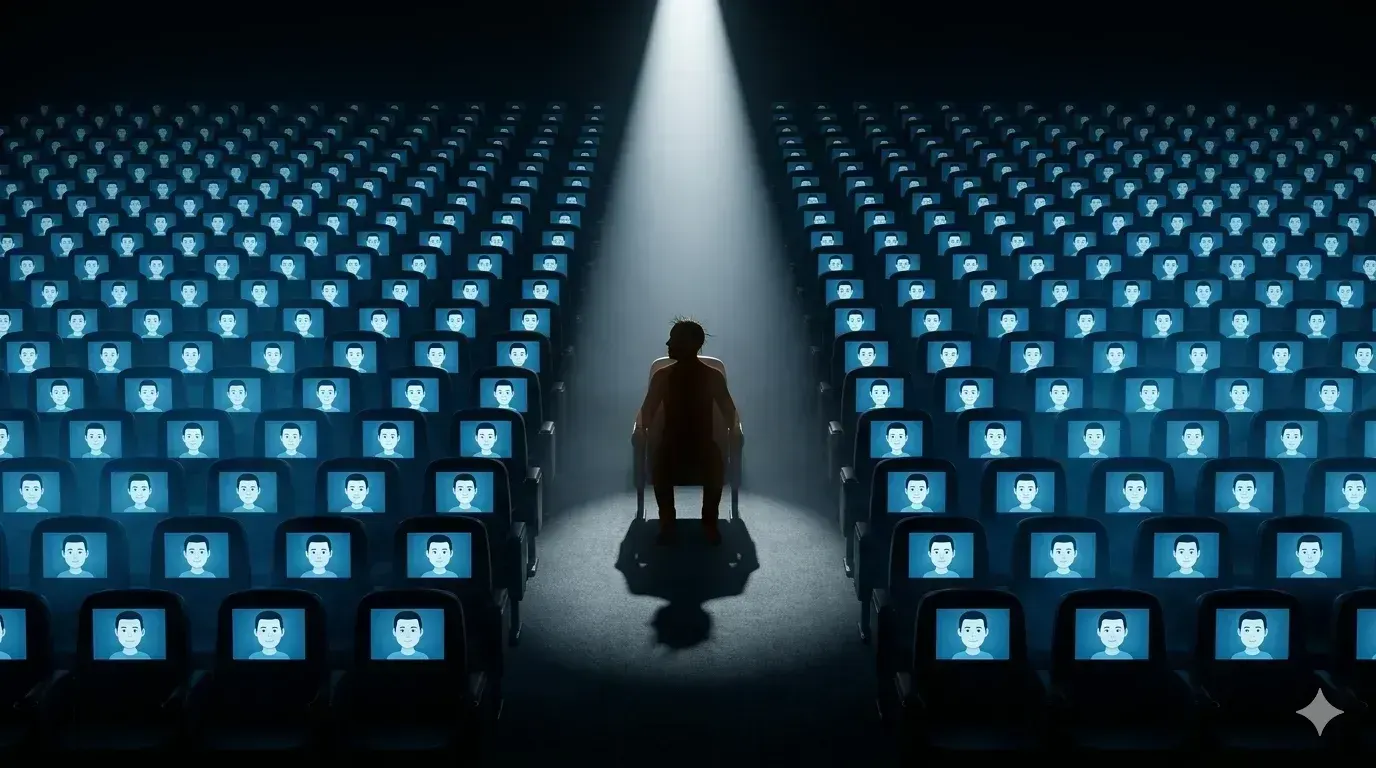
The Dead Internet Theory began as a conspiratorial internet claim: that much of what people see online is no longer produced by people at all. In its most extreme versions, it points to hidden coordination, psychological operations and a fixed moment when the “real” internet supposedly ended. Those claims deserve skepticism. But the less dramatic version — that automation now overwhelms large parts of online life — has become much harder to dismiss.
Imperva’s bot reports show why. The company measured bot activity at 51.8 percent of online traffic in 2016. It later reported that automated traffic again passed human traffic in 2024, and its 2026 report put bots at more than 53 percent of web traffic in 2025. Those figures do not mean every page, comment or account is fake. They do mean that non-human activity is no longer a marginal layer around the web. It is part of the operating environment.
Platforms had reasons to fight this problem and reasons not to fight it too aggressively. Fake accounts damage trust, defraud advertisers and distort public conversation. At the same time, high engagement, high traffic and high activity can make a platform look bigger, busier and more commercially powerful. The incentives are conflicted. Cleaning up a network is expensive; admitting how much of it was fake can be expensive in a different way.
By the late 2010s, users had learned to live with that uncertainty. Was a reply real? Was a trend organic? Was a review written by a customer, a contractor, a competitor or a bot? The answer often did not matter to the feed, because the feed measured engagement before authenticity. Trust did not need every account to be fake in order to weaken. It only needed enough uncertainty that users stopped assuming a person was on the other side.
The damage was uneven. A private group chat might remain almost entirely human while the public replies under a viral post became unreadable. A niche forum with strong moderation could feel healthier than a global platform with thousands of trust-and-safety employees. That contrast is one reason the modern internet feels so disorienting: the human web has not vanished, but much of it has moved into smaller rooms while the public square fills with automated noise.
2022 to 2026: generative AI lowers the cost of spam
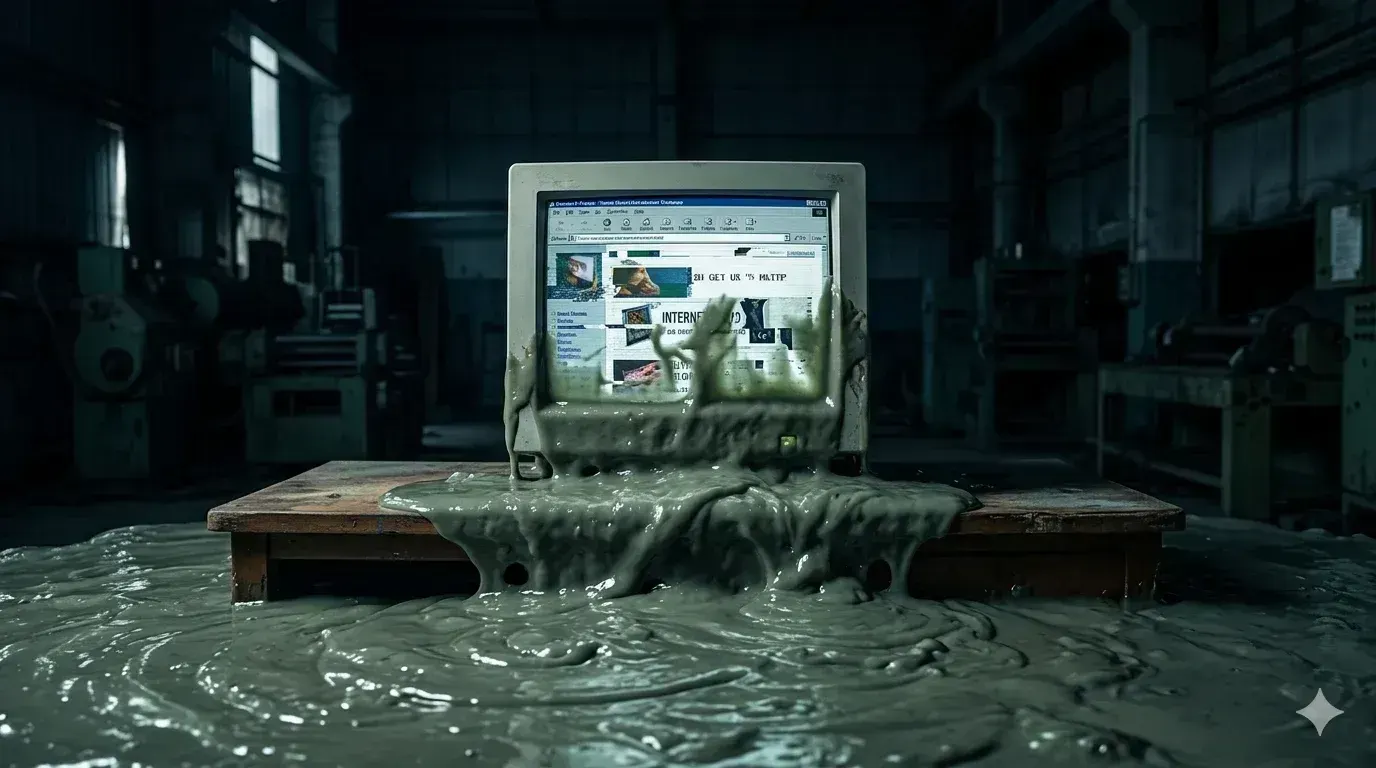
ChatGPT’s launch in late 2022 did not create low-quality content, spam or manipulation. It changed their cost. A content farm that once needed dozens of writers could now generate large volumes of plausible text with a few prompts. Image generators did the same for visual spam. The web had dealt with automated traffic for years; generative AI made automated publishing cheap, fast and good enough to pass casual inspection.
The visible result was “AI slop”: low-effort synthetic text, images and videos made for attention rather than meaning. Facebook’s wave of AI-generated “Shrimp Jesus” images became a symbol because it looked absurd and almost harmless at first. The pattern beneath it was more serious. Pages could use synthetic images, emotional captions and bot-assisted engagement to farm reach, identify gullible users or build audiences that could later be monetized.
Search became more fragile as well. Google’s AI Overviews rollout in 2024 produced widely mocked errors, including suggestions that users put glue on pizza or eat rocks, before the company made changes. The jokes landed because the examples were absurd. They also revealed a real feedback loop. If low-quality AI content fills the web, and AI search systems summarize the web, then the answer layer can inherit the weakness of the pages below it.
The same pressure appears in books, academia and professional content. Reuters reported in 2023 that Amazon’s Kindle store already had hundreds of e-books listing ChatGPT as an author or co-author. Researchers have documented chatbot-style phrases appearing in peer-reviewed papers. Some of this is harmless assisted writing. Some is undisclosed automation. Some is fraud. The difficult task for readers, reviewers and platforms is to distinguish among those categories at scale.
This is why the term “slop” has lasted. It does not describe every use of AI. A reporter using a transcription tool, a programmer using an assistant or a writer cleaning up a sentence is not the same as a content farm producing thousands of pages no one cared enough to write. Slop describes the industrial version: material generated because a platform will accept it, rank it, monetize it or fail to remove it quickly enough.
What the Dead Internet Theory gets right
The original Dead Internet Theory is weakest when it reaches for a master conspiracy. The modern web does not need one hidden coordinator to feel artificial. Ordinary incentives are enough: cheap content, programmatic ads, affiliate revenue, follower markets, engagement ranking, political influence operations, search arbitrage and platforms that monetize volume.
What the theory gets right is the feeling that online reality has become harder to verify. A social feed can contain real friends, paid influencers, bots, AI-generated engagement bait, political operators, brand accounts and automated customer-service replies in the same scroll. A search page can mix authoritative reporting with thin summaries, affiliate pages and synthetic articles. A product review can be useful, purchased or machine-written. The user sees one interface and must infer the provenance of everything inside it.
That is why the theory has moved from fringe joke to mainstream shorthand. Even people who reject its conspiratorial version recognize the symptoms. Alexis Ohanian has spoken publicly about the internet becoming less human. Time quoted linguist Adam Aleksic saying the theory “used to be a lunatic fringe conspiracy theory,” but now looks much more plausible. The point is not that the internet is literally dead. The point is that human presence has become harder to read.
That distinction matters. Treating the theory as literally true leads to paranoia: every account becomes suspect, every disagreement becomes a bot and every institution becomes part of a hidden script. Treating it as a metaphor leads to a better question: which parts of online life still carry reliable human signals, and which parts have become markets for synthetic attention?
Why the open web lost ground
There is a temptation to tell this story as moral decline: better people built the early web, worse people built the platform era. That is too simple. The stronger explanation is economic. The open web was powerful for publishing and linking, but weak at extracting value. Platforms were better at identity, payments, advertising, analytics, retention and control. They could give investors clearer revenue models and give users simpler products. They won because they were convenient and profitable at the same time.
Once they won, the terms changed. Publishers had to write for platform distribution. Creators had to follow opaque rules. Sellers had to pay for visibility inside marketplaces. Users had to accept feeds designed less around intention than retention. Each group still benefited in some ways, but each group also lost leverage.
Doctorow’s argument is useful because it names the missing restraints: competition, regulation, interoperability and labor power. When rivals are weak, users cannot leave easily. When regulation is slow, harmful designs can become industry standards before lawmakers understand them. When interoperability disappears, people cannot carry their social graph or content relationships elsewhere. When workers have less power, internal objections to damaging features are easier to ignore.
This is why personal advice — delete this app, use that browser, move to that network — solves only a small part of the problem. Individual choices matter, but the decay is structural. A person can leave a platform. A school, a workplace, a family group, a local government service or a small business often cannot move so easily. Lock-in is not just habit. It is dependency.
That dependency is especially clear in journalism. Publishers were encouraged to build audiences on Facebook, then punished when the platform reduced news visibility. They were encouraged to optimize for search, then watched search pages answer more questions directly. They were encouraged to publish on video platforms, then asked to absorb new monetization rules. The open web’s old promise was that a publisher owned the relationship with its readers. The platform era turned that relationship into something controlled elsewhere.
Smaller spaces are trying to rebuild trust
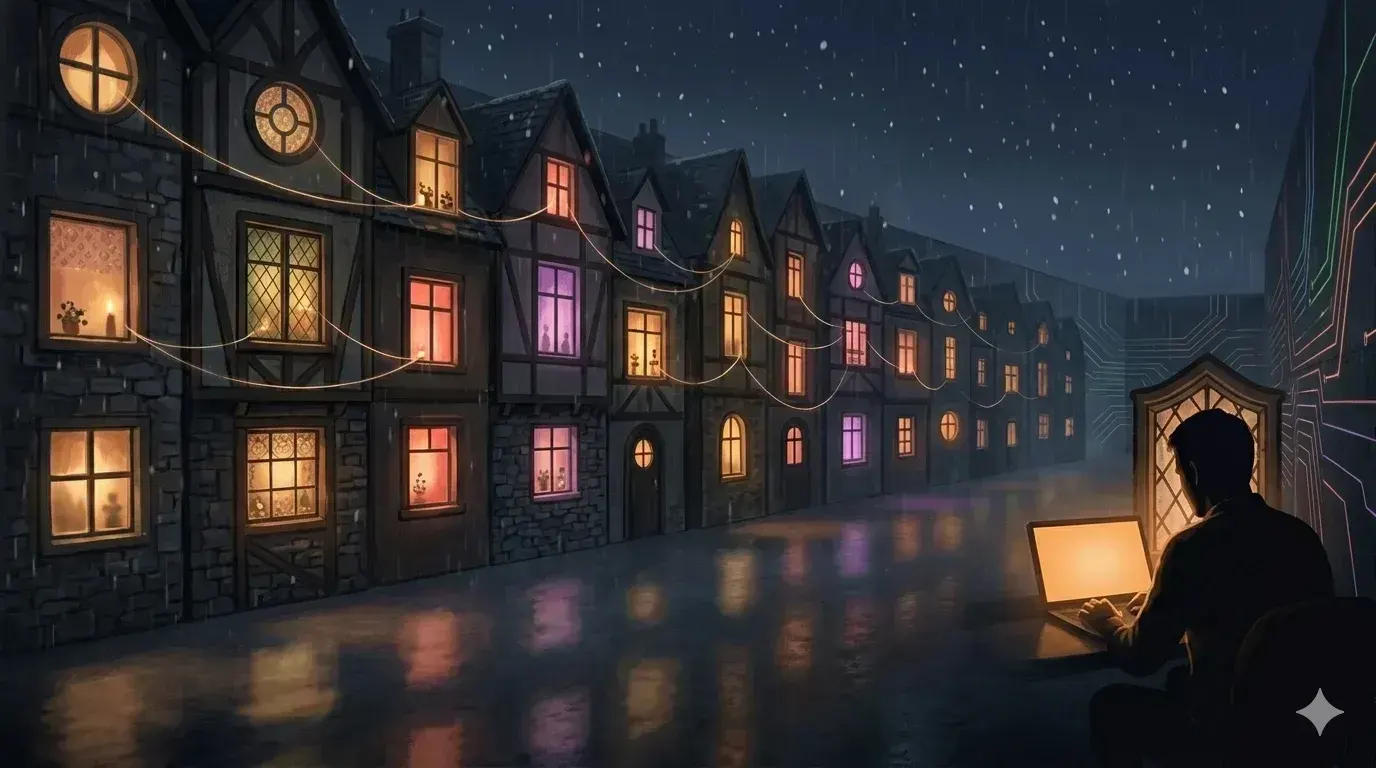
The trend is not only decline. Newsletters, independent blogs, RSS revivals, federated networks, Discord communities, Mastodon servers, small forums and direct reader-supported publications all point to a counter-movement. None of these has replaced the giant platforms. Most probably never will. Their value is different: they restore context, identity and accountability at a scale humans can understand.
Small web spaces are not automatically better. They can be exclusionary, badly moderated or fragile. They can disappear when a maintainer burns out or a hosting bill goes unpaid. But they often make one thing clearer: who is speaking, why they are speaking and what norms govern the conversation. That clarity is rare inside a global feed optimized for reaction.
Slow media has the same appeal. A deeply reported newsletter, a niche blog, a well-run forum or a podcast supported directly by listeners does not fix search spam or bot traffic. It can, however, rebuild a direct relationship between publisher and reader. That relationship was the basic unit of the open web before platforms inserted themselves between almost every creator and almost every audience.
The lesson is not that everyone should abandon the big platforms. They remain useful, and for many people they remain necessary. The lesson is that healthier online spaces usually have boundaries: known moderators, clear membership, visible archives, portable subscriptions or a direct route between writer and reader. The more a space depends on opaque ranking, the more vulnerable it becomes to imitation, manipulation and decay.
What died, what survived and what comes next
The internet did not die. The open web, as the default public layer of online life, did lose much of its power. That happened slowly, through convenience, consolidation, advertising economics, closed apps, algorithmic feeds and then a flood of synthetic content. No single company killed it, and no single regulation will bring it back exactly as it was.
What survived is the human impulse that made the web valuable in the first place: to publish without permission, to find people with unusual shared interests, to argue in public, to learn from strangers and to build small rooms inside a huge network. That impulse has been pushed to the margins, but it has not disappeared. It shows up wherever people choose direct subscriptions over feeds, forums over viral platforms, personal sites over profile pages and communities small enough for reputation to matter.
The next phase will depend on whether law and technology can make authenticity easier without turning the web into an identity checkpoint. Interoperability mandates could weaken lock-in. Antitrust cases could change platform behavior. Better provenance tools could help distinguish human work, machine assistance and synthetic spam. AI may help filter junk, though the same tools will also produce more of it. There is no clean ending here.
For now, the most honest diagnosis is simple. The internet still works, but it no longer feels like a public commons because much of it is not one. It is a mix of private enclosures, automated markets and machine-generated pages, while human spaces still survive between them. The task is not to mourn the old web as if it were perfect. It was never perfect. The task is to defend the parts of online life that still let people find each other without first being sorted, priced and imitated by automated systems.
The open web had a remarkable run for something nobody owned. Its best ideas are still worth carrying into whatever comes next.