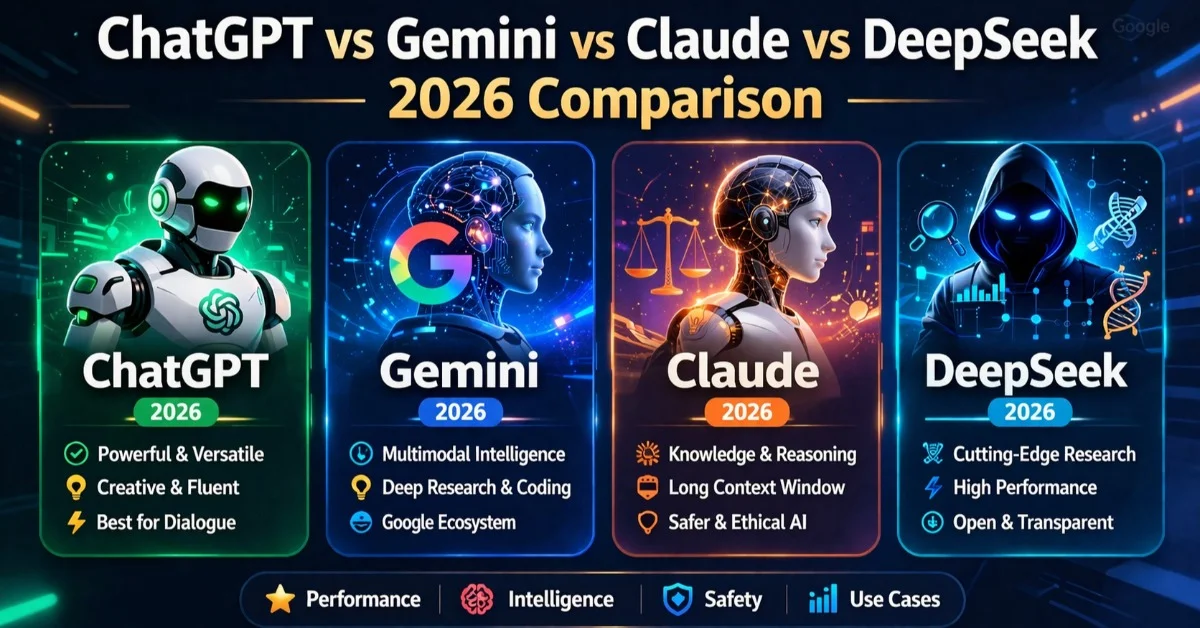
The competition between OpenAI and Anthropic in 2026 is no longer only a benchmark race. Model quality still matters, but enterprise buyers are increasingly judging AI systems by security, deployment, integrations, coding workflows, agent capabilities, support and long-term reliability. The market is moving from “which chatbot is smarter?” to “which platform can run inside real business operations?”
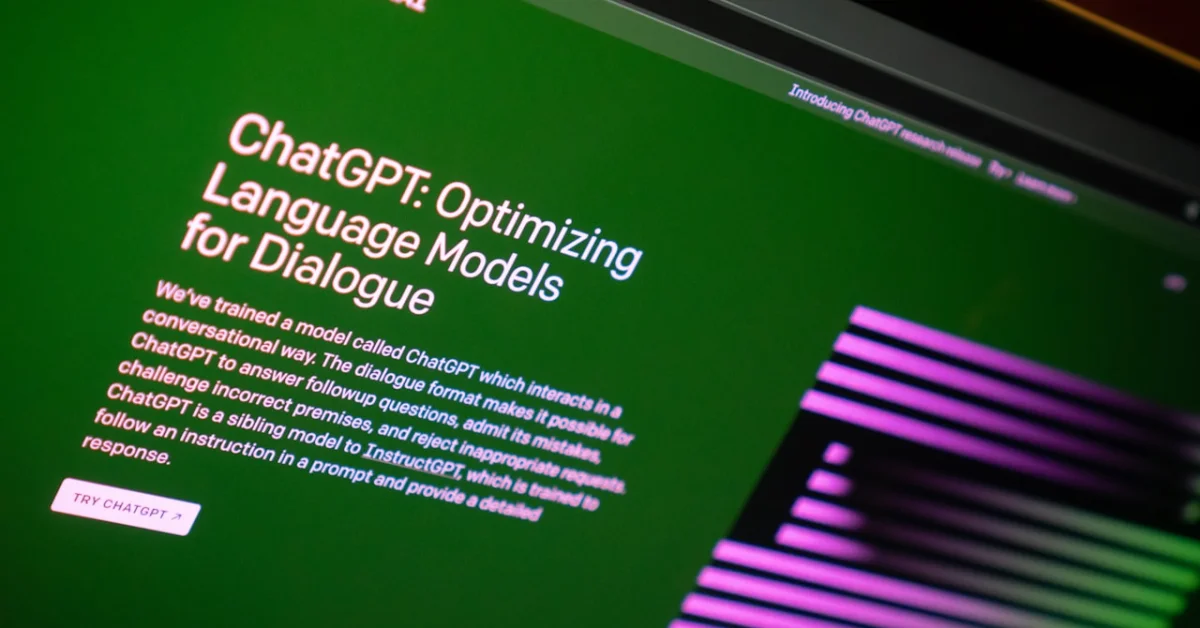
OpenAI’s enterprise messaging reflects that shift. The company describes the next phase of enterprise AI around ChatGPT Enterprise, Frontier, Codex and broader deployment across industries. Its ChatGPT Enterprise page positions the product as enterprise-grade ChatGPT connected to company data. That framing matters because business adoption depends on data access, permissions, administration and measurable workflow value, not just public model demos.
OpenAI is leaning into enterprise scale
OpenAI’s enterprise strategy is built around a broad product stack. ChatGPT Enterprise gives companies a managed assistant environment, while Codex and developer tools address software teams. The company’s 2026 enterprise update also points to adoption expanding across industries, suggesting that the next stage is deeper integration rather than isolated experimentation.
For customers, that creates a practical question: how much of the business workflow can OpenAI support securely? A general assistant is useful, but enterprise value grows when AI can work with internal knowledge, codebases, documents and business processes under clear controls. That is why administration, data boundaries and deployment support are now central to the competition.
Anthropic is pushing Claude deeper into operations
Anthropic is taking a similar enterprise direction, but with its own emphasis. In May 2026, Anthropic announced a new AI services company with Blackstone, Hellman & Friedman and Goldman Sachs to help mid-sized companies bring Claude into important operations. Anthropic says applied AI engineers will work alongside the new company to identify high-impact uses, build custom solutions and support customers over time.
That move shows how the enterprise market is maturing. Many businesses do not only want API access; they need implementation help, workflow design and long-term support. Anthropic’s Claude Opus 4.7 announcement also highlights stronger performance across coding, agents, vision and multi-step tasks, which are exactly the areas enterprises are beginning to test more seriously.
Enterprise demand changes the competition
When customers are large companies, the buying decision is slower and more complex. Legal review, procurement, security assessment, compliance, employee training and integration work all matter. A model that performs well in a public leaderboard may still lose a deal if the deployment story is weaker.
This is why the OpenAI-Anthropic rivalry now includes more than model releases. It includes partnerships, services, developer ecosystems, enterprise contracts, documentation, uptime expectations and support. The most valuable customers are not simply asking for a better answer; they want AI that can be governed and scaled.
The risk of overreading the rivalry
The rivalry is real, but it should not be reduced to a simple winner-takes-all story. Enterprises may use multiple AI vendors for different tasks. One provider may be stronger for coding, another for writing, another for regulated workflows or internal knowledge retrieval. Multi-model and multi-vendor strategies are likely to remain common, especially for companies that want flexibility and bargaining power.
OpenAI and Anthropic are both trying to become core enterprise AI partners. Their competition in 2026 is about trust, integration and operational value as much as raw model intelligence. The companies that win enterprise budgets will be the ones that make AI useful inside existing systems without creating new governance problems.