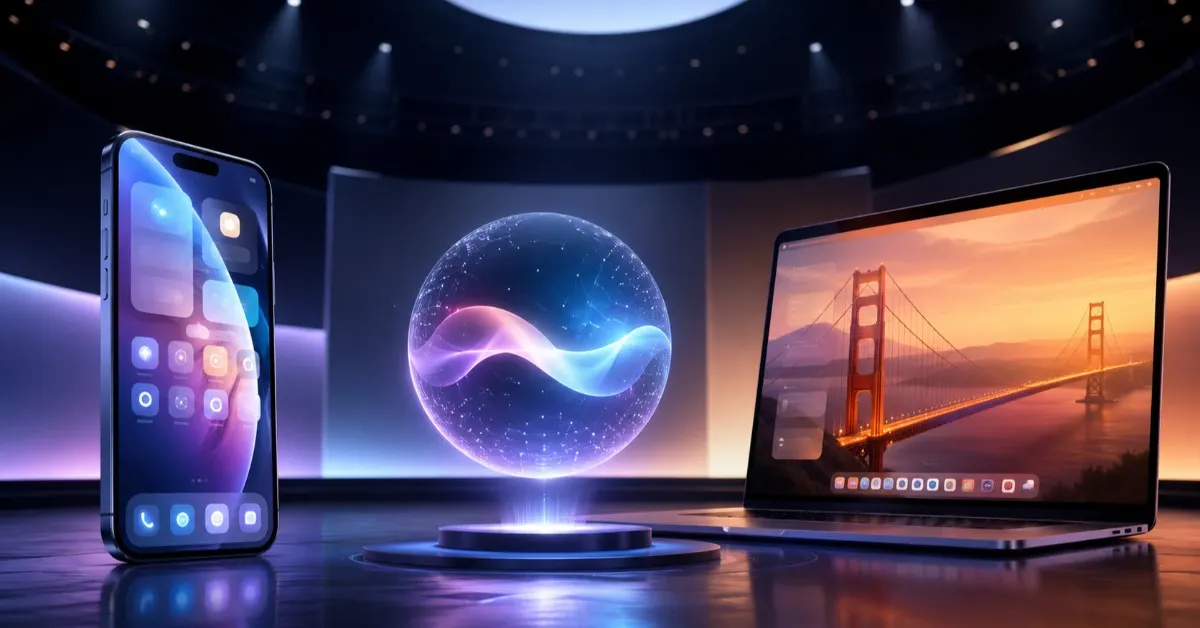
Google used I/O 2026 to make one message unusually clear: Gemini is no longer being pitched as a standalone assistant. It is becoming the AI layer across Search, Chrome, Workspace, Android and the company’s next wave of XR hardware. The keynote brought Gemini 3.5 Flash, the Spark agent, the Omni video model, more agentic Search features, Android XR glasses planned for the fall and a lower entry price for Google AI Ultra.
The responsible way to read the keynote is not that every feature is instantly available to every user. Some tools are live, some are rolling out to testers, and others are tied to specific countries or paid plans. The direction, however, is now much clearer: Google wants Gemini to become a persistent work and search interface rather than a side app.
Gemini 3.5 Flash and Spark
Reuters reported that Google launched Gemini 3.5 Flash as a faster, cheaper model aimed at coding and automated tasks, with Gemini 3.5 Pro expected next month. That split matters. Flash is the model Google is putting behind immediate agentic workflows; Pro remains the next performance tier.
Spark is the more strategic product. Google says the agent runs on dedicated virtual machines in Google Cloud, can keep working in the background and will integrate with Google’s own tools before expanding further through third-party connections. In practice, that makes Spark closer to a persistent work agent than another chatbot tab.
Search becomes more agentic
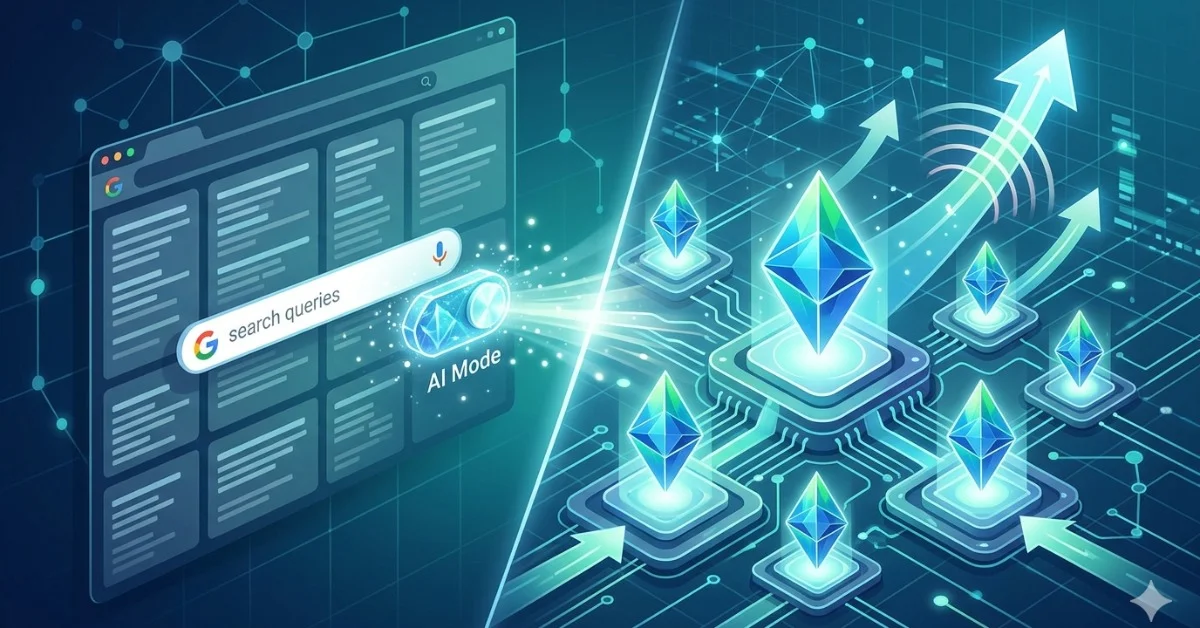
Google is also changing the shape of Search. Reuters said the company is putting agents into the search box and adding AI-generated visuals, custom interfaces and task-oriented experiences. That follows the direction Google had already signaled with AI Mode in Search, but I/O 2026 makes the strategy more explicit.
The upside for users is convenience: Search can become a place where a query turns into a tracker, dashboard, planning tool or workflow. The risk is equally obvious. If Google answers and acts more directly inside its own interface, publishers, merchants and app makers will care even more about how external sources are surfaced, credited and monetized.
Omni, glasses and AI Ultra pricing
Gemini Omni adds Google’s video and multimodal ambitions to the same story. Executives framed it as part of a broader push toward models that can work across text, images, audio and video. The demo direction is ambitious, but real value will depend on access limits, reliability and safety controls once users start testing it outside the keynote environment.
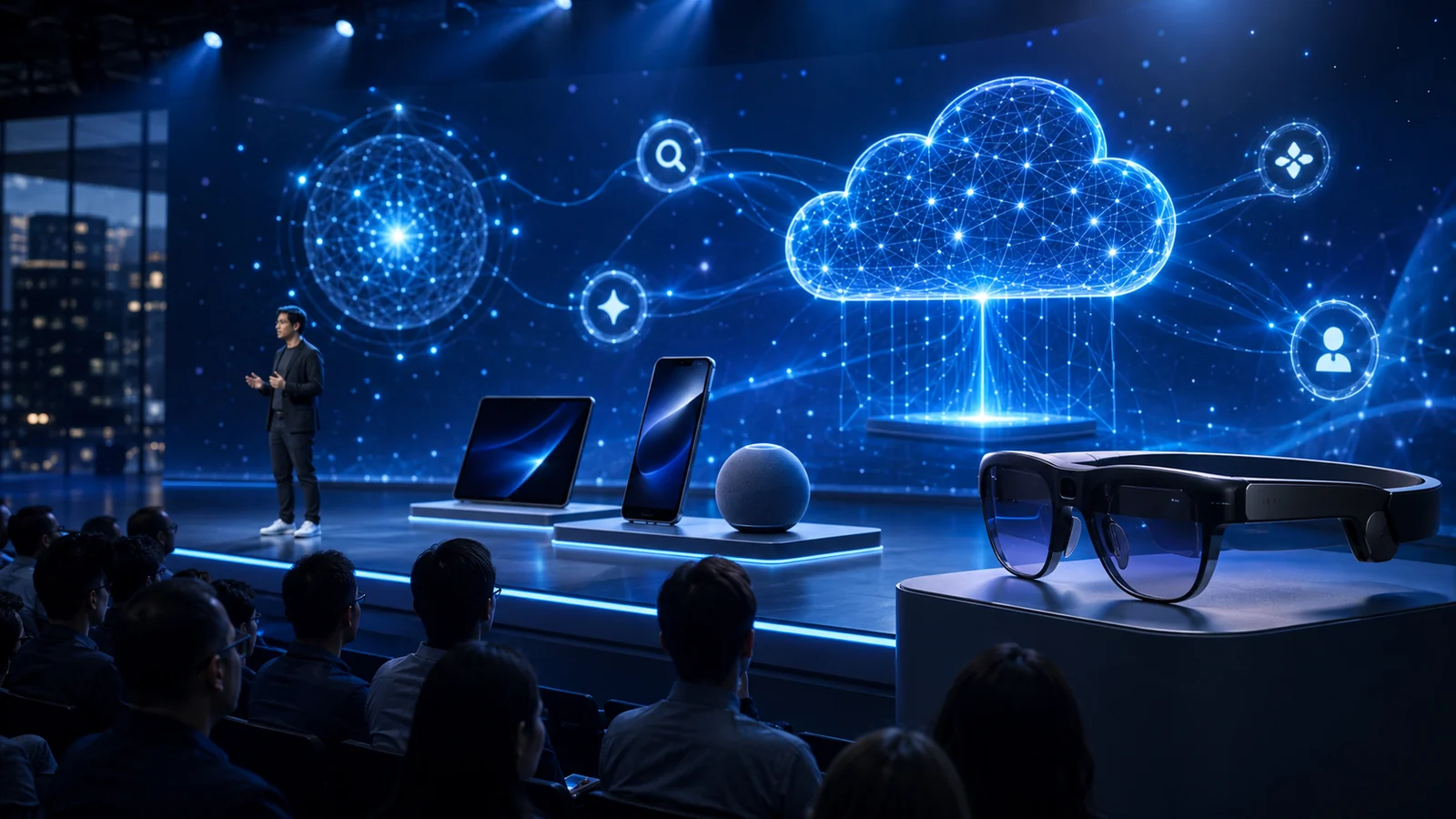
On hardware, Google gave a fall 2026 timeline for smart glasses built with Samsung, Warby Parker and Gentle Monster. The point is not just a new device category. It is Gemini moving from phone and desktop surfaces into wearable interfaces, where voice, vision and context become more important than a traditional app screen.
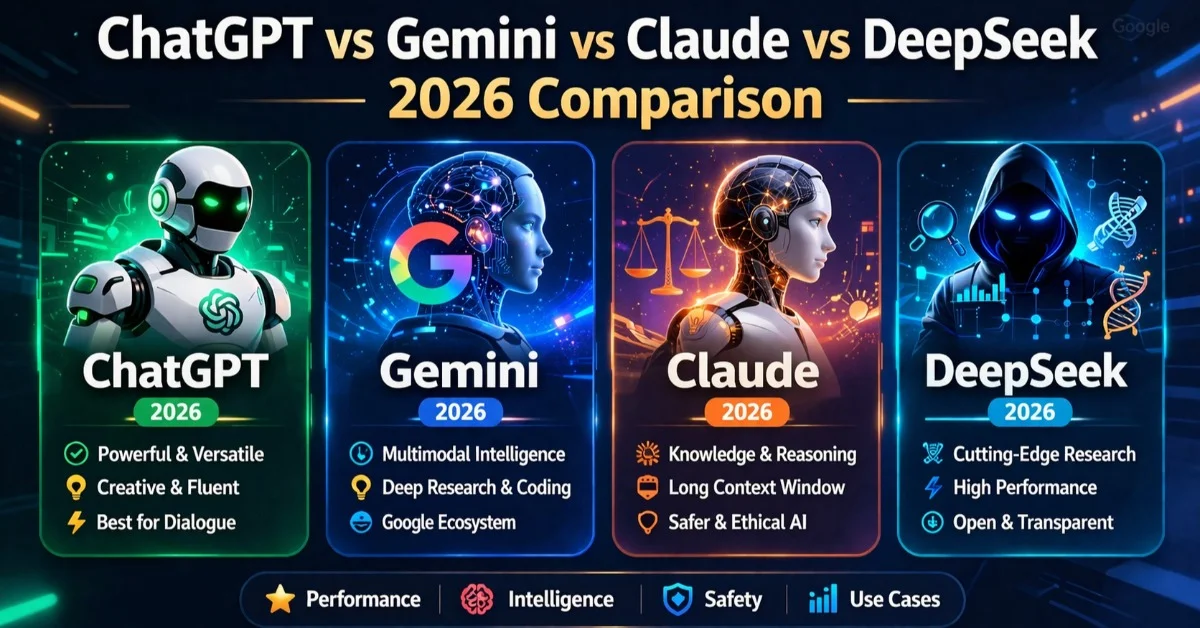
Pricing is the other important signal. Google cut the top AI Ultra plan from $250 to $200 per month and introduced a $100 monthly tier aimed at developers and professional users, according to Reuters. That is a direct challenge to OpenAI, Anthropic and the coding-assistant market: Google is trying to combine distribution, lower cost and deep product integration.
I/O 2026 therefore lands as a platform reset rather than a normal feature update. Google says Gemini now has 900 million monthly users, which gives the company a distribution base few rivals can match. The unanswered question is whether Spark, agentic Search, Omni and Android XR glasses will make everyday work genuinely easier, or simply move more of that work inside Google’s own surfaces.