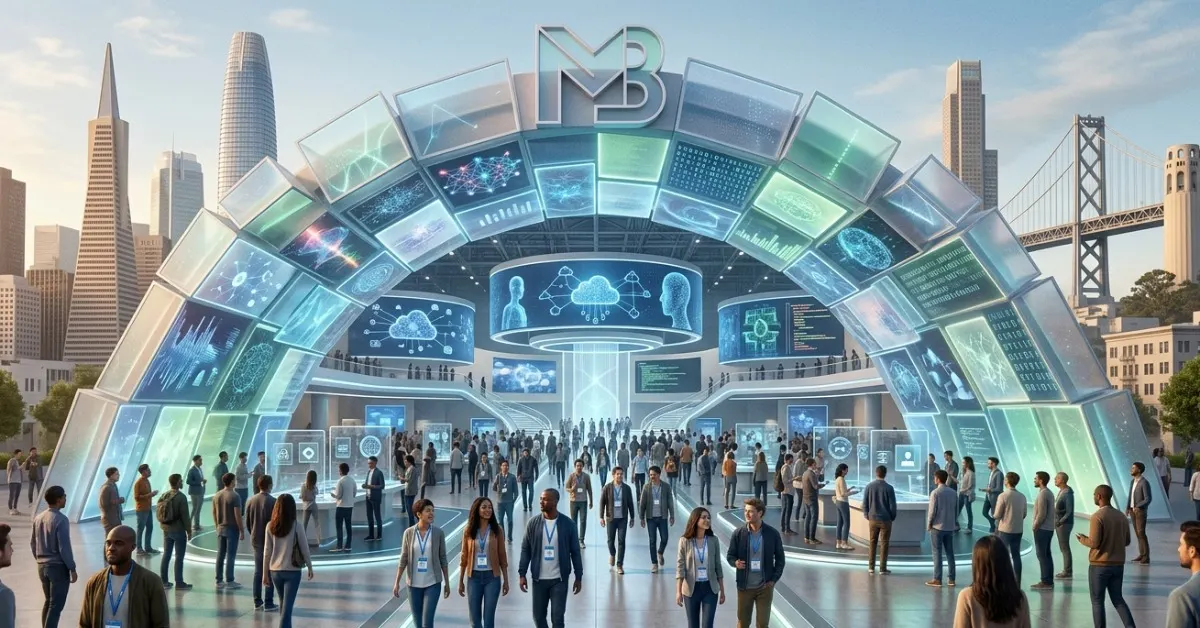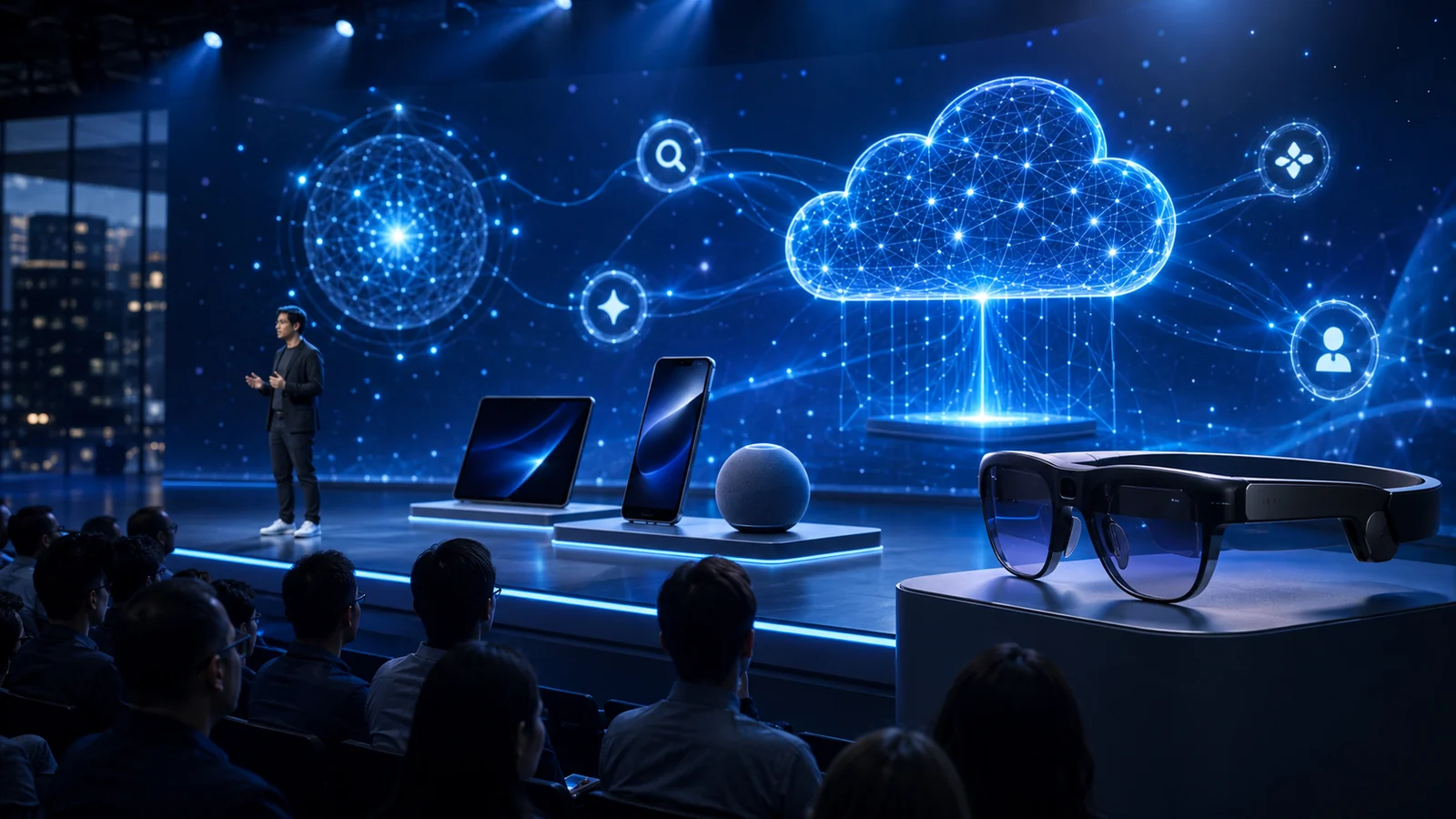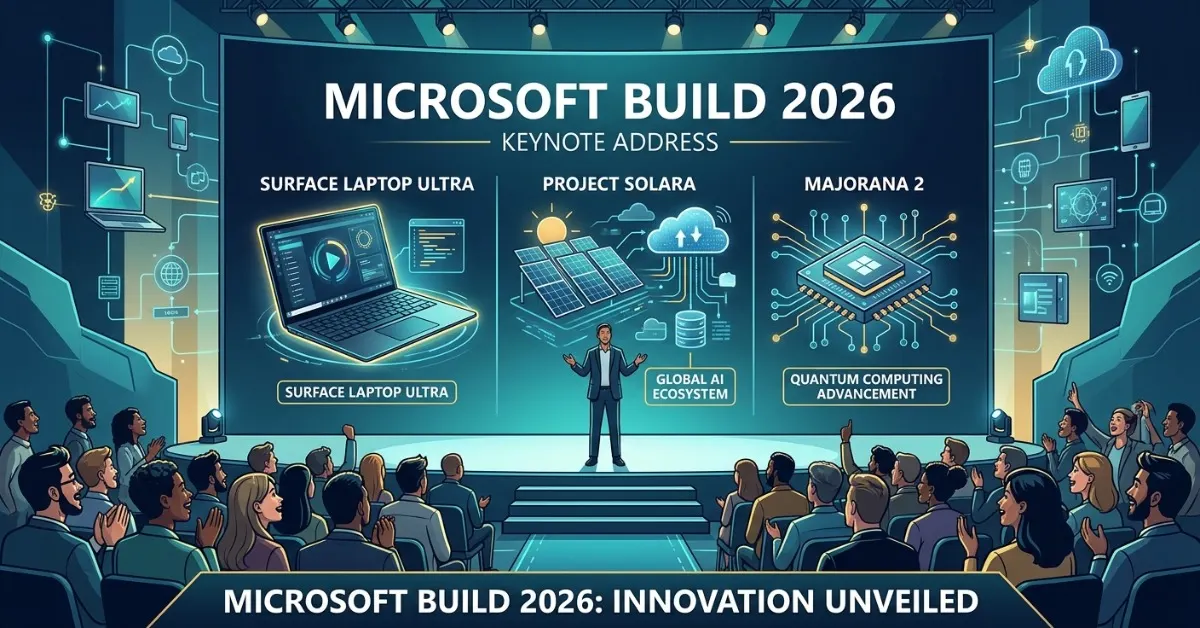
Microsoft opened Build 2026 in San Francisco with a message that was broader than another Copilot update. The company wants Windows, Surface hardware and cloud services to become a platform for AI agents that can work across local PCs, enterprise systems and new device types. That makes this keynote a follow-up to our earlier Build 2026 preview, but the tone is now more concrete: Microsoft is pairing agent software with real hardware and a larger in-house AI model push.
Surface RTX Spark turns the PC into an AI workstation
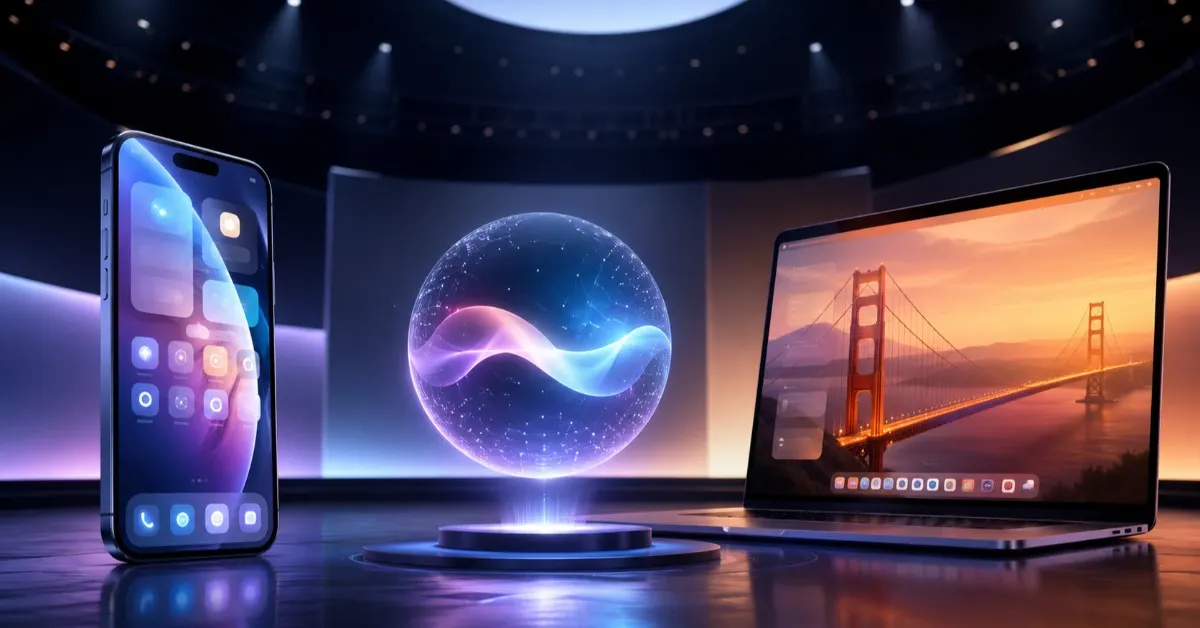
The most visible hardware story is Surface Laptop Ultra and the Surface RTX Spark Dev Box. Microsoft says Surface Laptop Ultra combines an NVIDIA Blackwell RTX GPU, up to 128GB of unified memory and full CUDA support, with enough AI compute to run large local models. The Dev Box takes the same RTX Spark direction into a compact developer machine designed for sustained local AI workloads. Reuters reports that Microsoft showed the Dev Box running a 120-billion-parameter model, a scale most consumer PCs cannot load.
The important detail is not that every developer will buy one immediately. Microsoft is trying to define a new class of Windows machine where model testing, coding assistants, 3D work and local data processing can happen without sending every step to the cloud. Price, availability, thermals and independent performance tests will still decide whether this becomes a mainstream developer category or a premium workstation niche.
Project Solara changes the device conversation
Project Solara is the more experimental part of the keynote. Microsoft showed prototype devices built around AI agents rather than a traditional phone-style app grid. Reuters describes hardware in the shape of smart-speaker-like devices and badge-sized concepts, with chips from Qualcomm and MediaTek. The idea is that these devices host agents connected to cloud systems for specific workflows, such as documenting a healthcare visit.
This is why the language needs to stay careful. Project Solara is not a finished consumer product line and Microsoft has not shown a normal retail roadmap. It is a platform concept for agent-first computing, and its value will depend on privacy controls, enterprise permissions, battery life, microphone policy and whether agents can be audited. In business settings, a device that records context and acts on behalf of a user is useful only if administrators can restrict what it sees and what it is allowed to do.
MAI models and Majorana 2 widen the agenda
Build also gave Microsoft a stage to show more of its own AI model work. New MAI models in Microsoft Foundry cover text, image, voice and speech, showing that Microsoft is not relying only on external model providers. The company still works with OpenAI, but the Build message is that more of the stack will be owned, tuned or distributed through Microsoft’s own platforms.
The quantum announcement is different in character. Reuters reports that Microsoft introduced Majorana 2, a follow-up chip using AI-assisted materials work, and said it now targets commercially useful quantum machines by 2029. The company also claims a 1,000-fold improvement on some performance metrics. Those claims are significant, but they should not be written as settled science. Reuters also notes criticism from physicists who want more public, reproducible data. For readers, the balanced view is simple: Microsoft is accelerating its quantum roadmap, but the burden of proof remains high.
The Build 2026 keynote therefore lands in three layers. Surface RTX Spark is the near-term hardware story, Project Solara is the agent-first device experiment, and Majorana 2 is the long-range research bet. Together, they show how Microsoft wants AI to move from a chatbot inside apps toward a computing layer that spans PCs, devices, developer tools and cloud infrastructure.