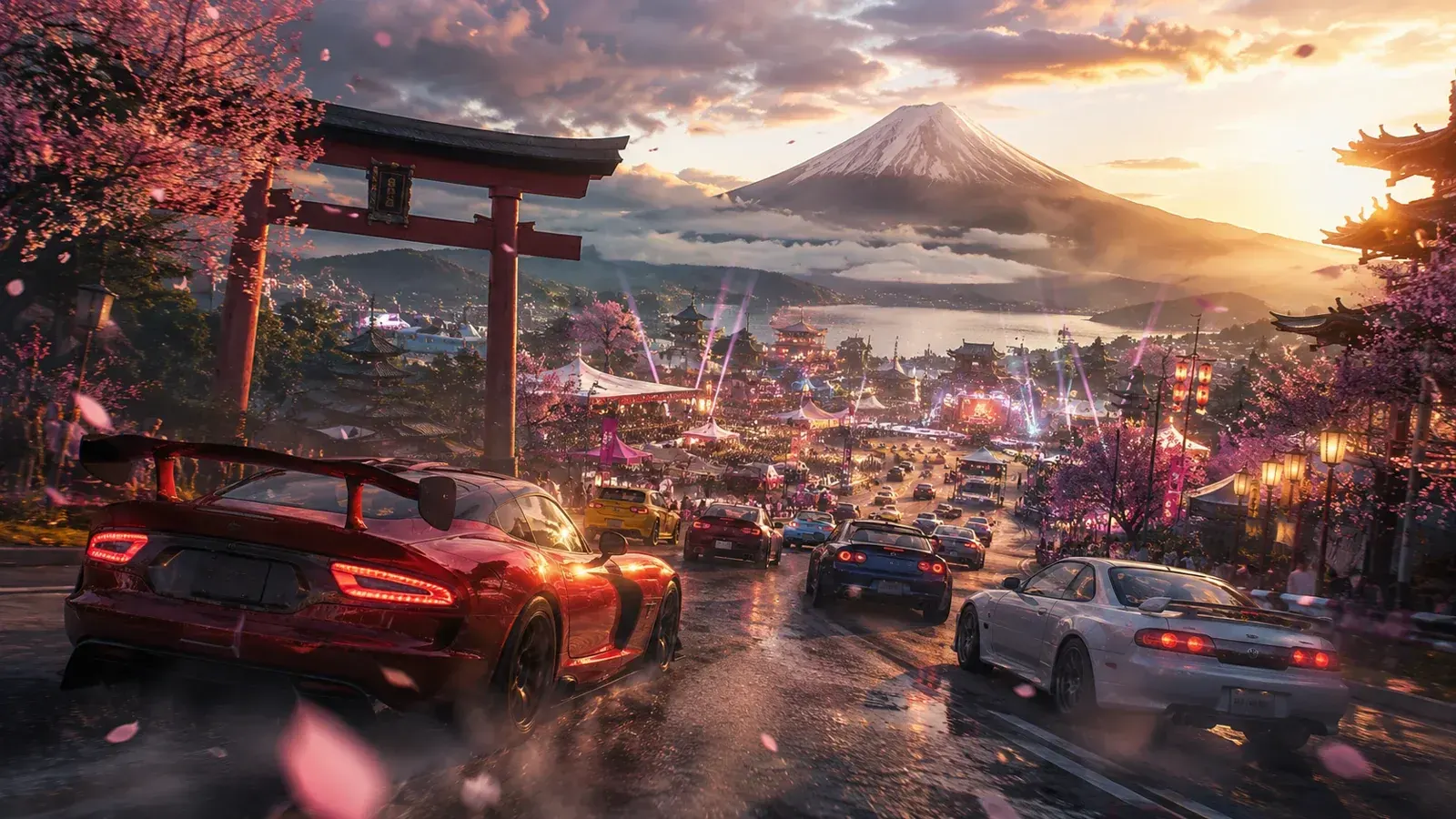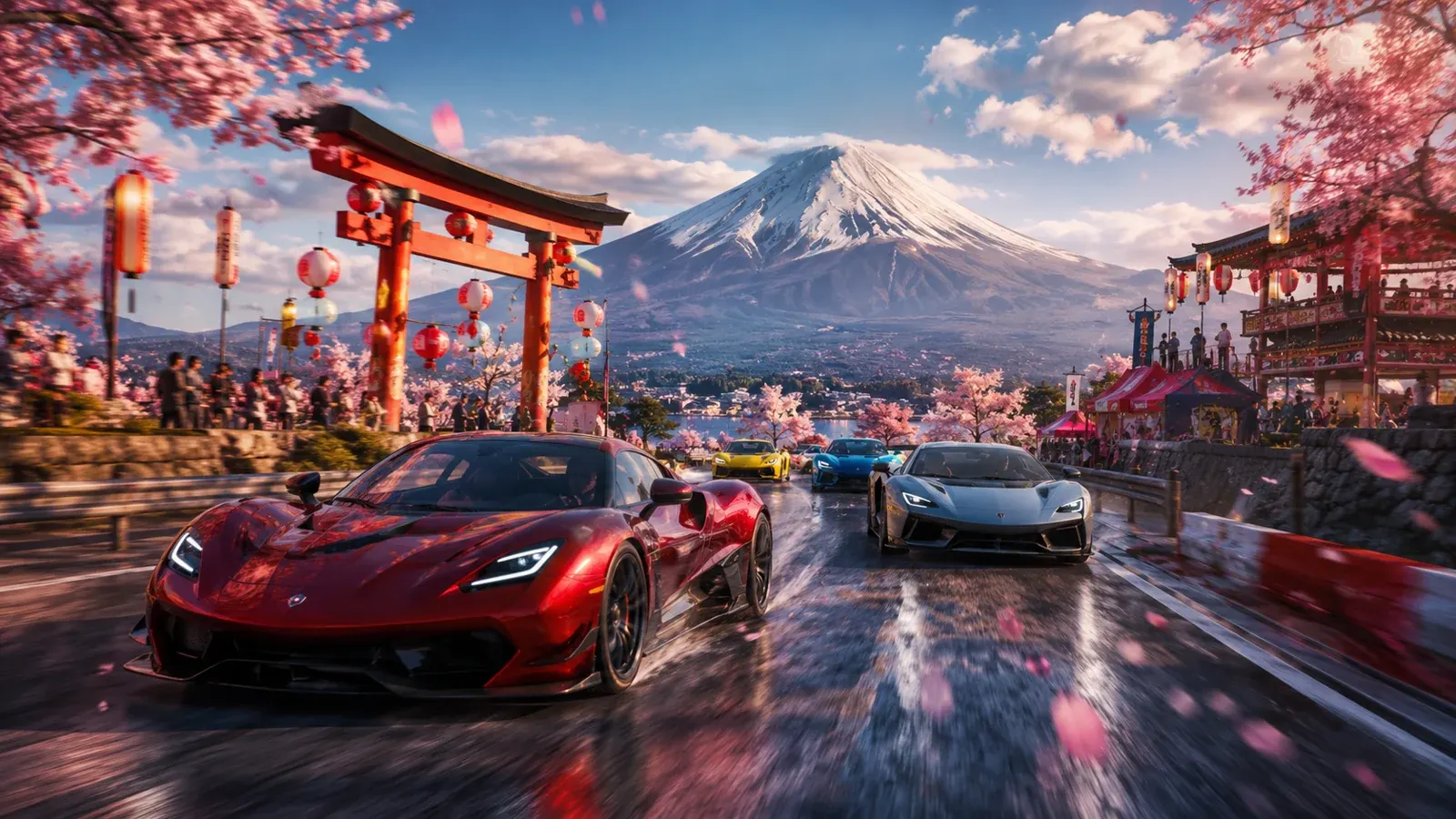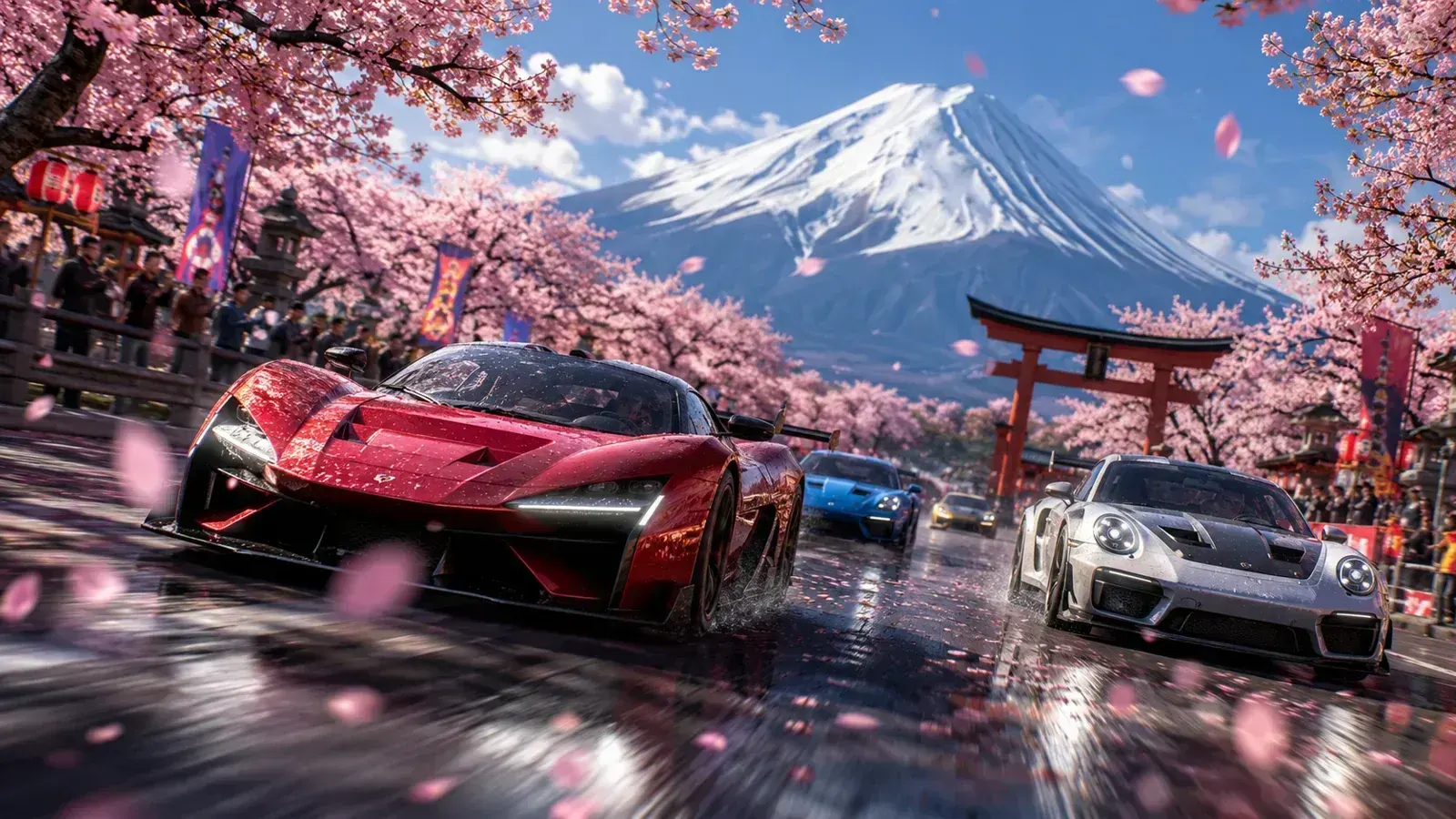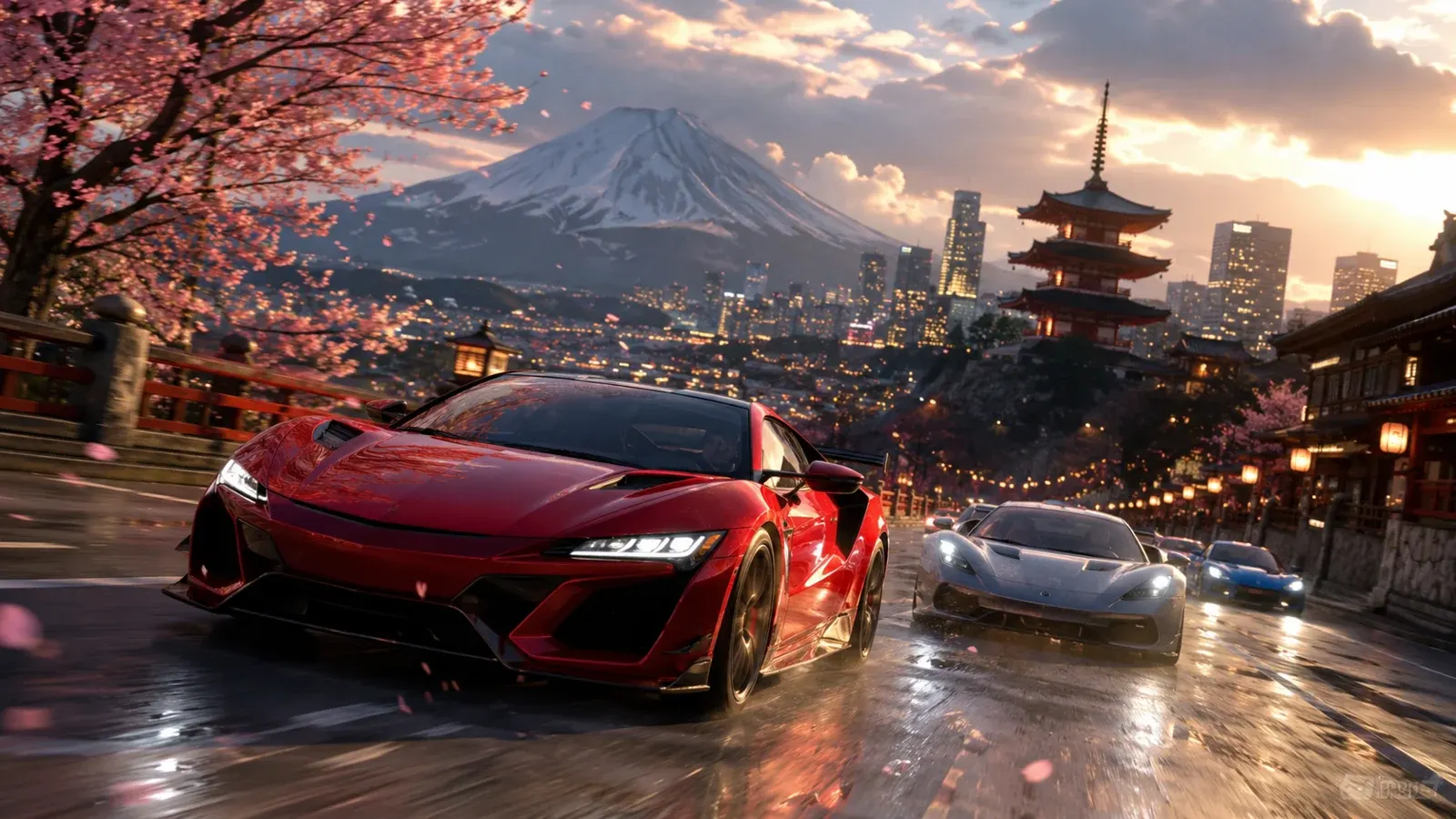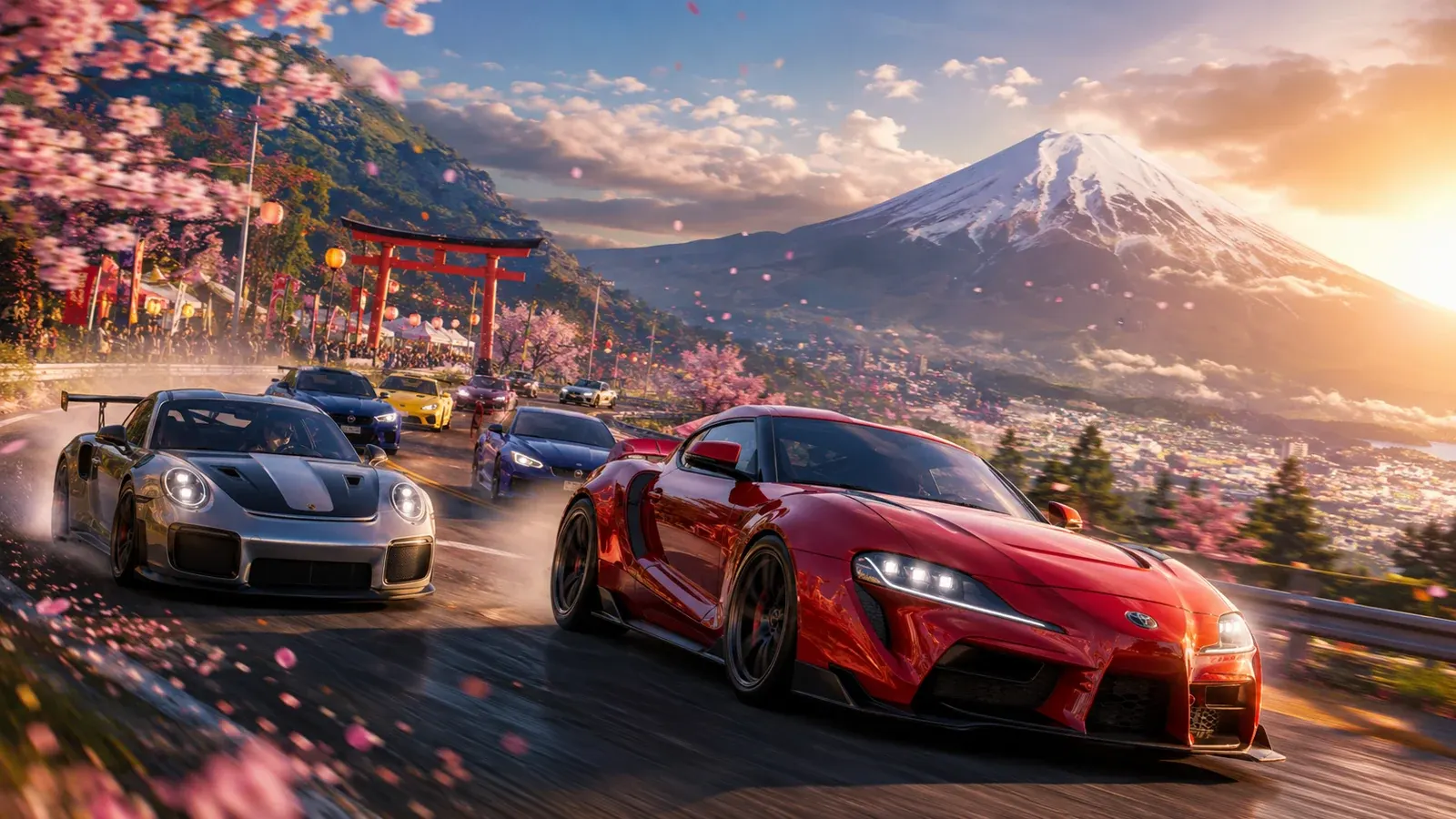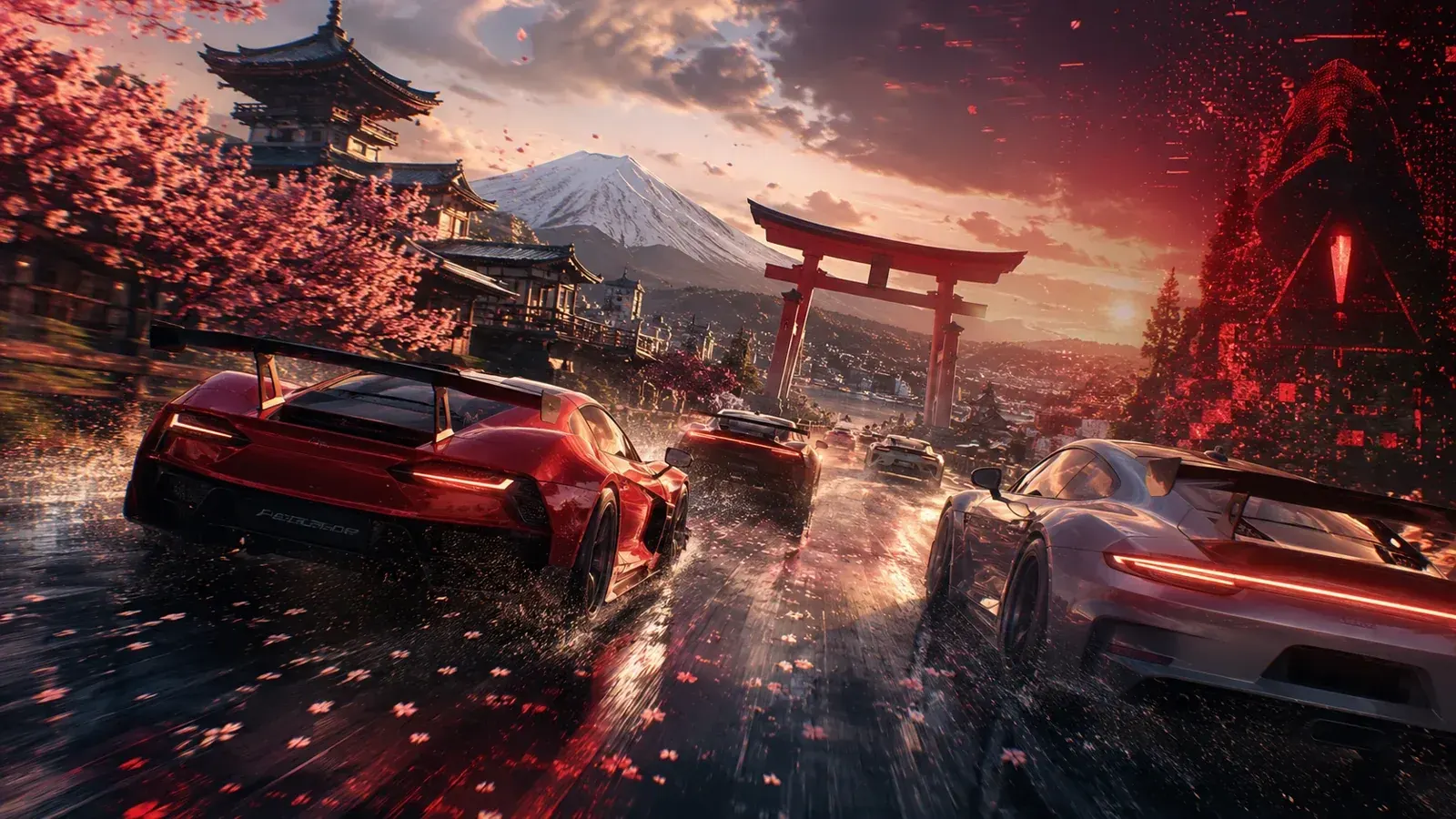
Forza Horizon 6 reached launch week with two very different stories running at once. One was the story Microsoft wanted: a Japan-set racer drawing strong reviews, huge early-access interest and more than 170,000 concurrent players on Steam before the general release. The other was messier: an unauthorized pre-release build spread online, and players who accessed it began reporting bans that lasted until December 31, 9999.
The leak should be described carefully. Early reports linked the files to Steam listings and build access, but Playground Games later said the incident was not a normal Steam pre-load mistake and warned users not to access the unauthorized build. That distinction matters. The public evidence points to a serious pre-release leak and enforcement campaign, not a simple “Microsoft uploaded the game for everyone” story.
What the 9999 bans mean
The most eye-catching part of the response was the date. Screenshots and player reports showed bans expiring on December 31, 9999, which quickly turned the enforcement decision into a meme. Windows Central and PC Gamer both described the penalties as hardware or franchise-wide bans, meaning the punishment was aimed at the device and the Forza account footprint rather than a single removable login.
That makes the ban harder to escape than a normal account suspension. Reinstalling Windows or creating another account may not be enough if the enforcement is tied to hardware identifiers. It is also why the case attracted attention beyond the usual anti-piracy debate. Players were not only warned away from the leak; some were effectively told they were out of the franchise for thousands of years.
The launch numbers are still strong
The controversy did not stop demand. During the paid early-access window, Forza Horizon 6 reportedly passed 172,000 concurrent players on Steam, more than double the all-time Steam peak posted by Forza Horizon 5. That figure matters because early access required the Premium Edition or a paid upgrade rather than the standard Game Pass day-one audience.
Reviews also gave Microsoft a strong counterweight to the leak narrative. The game’s review scores placed it near the top of 2026’s racing field, with critics praising the Japan setting, urban density and car list while noting that the core Horizon formula remains familiar.
A messy but effective warning
There are two separate questions here. The first is whether Microsoft and Playground were right to respond harshly to people running a leaked build. The answer from the publisher’s side is obvious: pre-release leaks damage marketing plans, spoil content and create security risks around unfinished or privileged builds. The second question is whether a year-9999 ban is proportionate or mostly theatrical. That is harder to answer.
The likely purpose is deterrence. A ban date that looks absurd is also a message that travels quickly. In that sense, the policy worked: the penalty became almost as visible as the leak itself. But it also created a strange optics problem. A game launching with excellent reviews and major early-access numbers is now also tied to screenshots of 9999-year punishments.
For players who simply want to play the finished release, the advice is straightforward: avoid leaked builds, wait for the official launch and use the normal store or Game Pass route. For Microsoft, the harder lesson is operational. The launch campaign is working, but the leak showed how quickly a pre-release incident can dominate the conversation around even a successful first-party game.