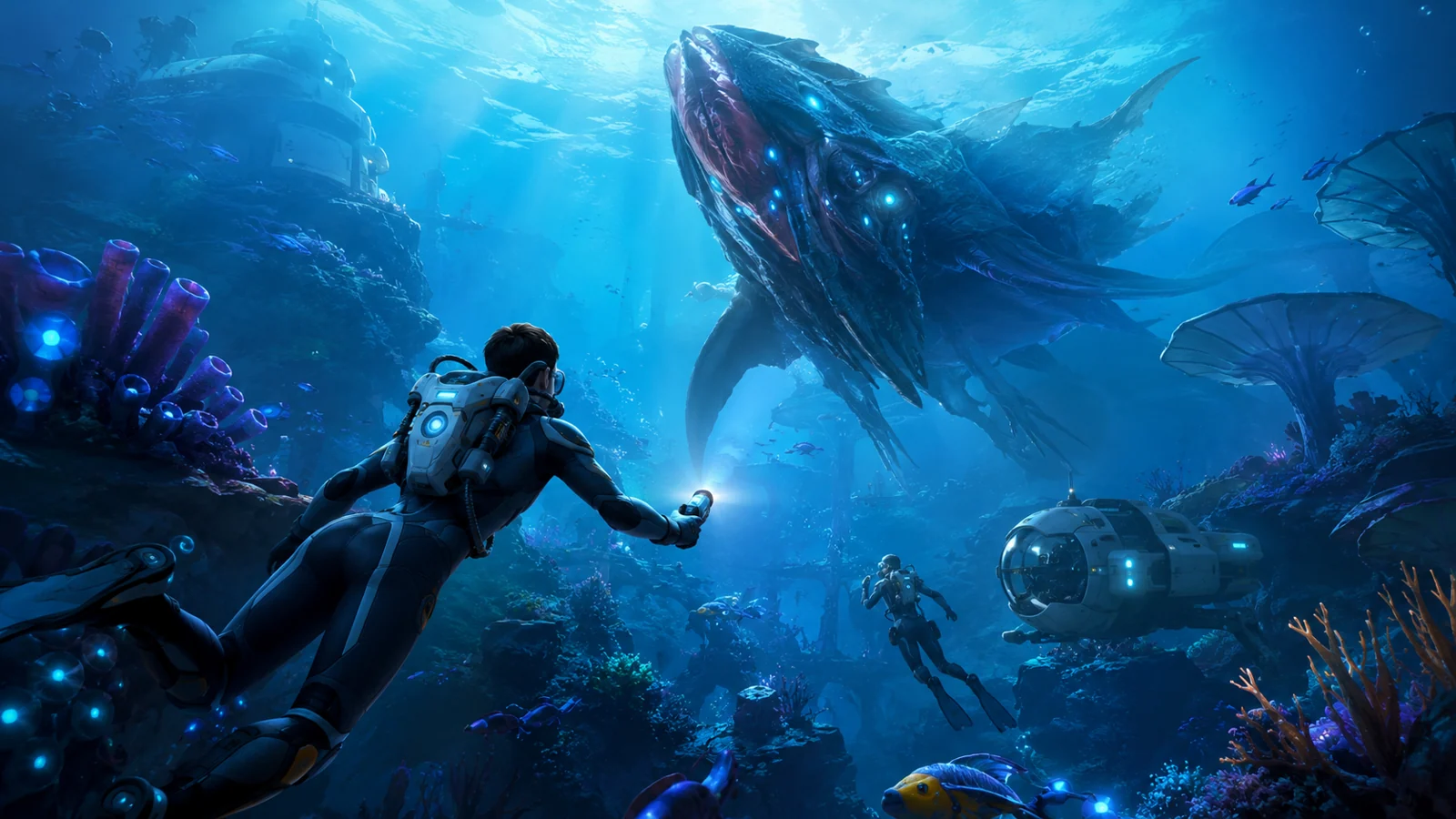
Subnautica 2 has turned its early-access launch into one of the clearest survival-game stories of the year. Unknown Worlds said the sequel sold one million copies in its first hour and crossed two million within 12 hours across Steam, the Epic Games Store and Xbox. Peak concurrent players passed 651,000 across platforms, with Steam alone reaching more than 467,000 at its high point. Those numbers make the launch far larger than the first Subnautica ever was at the same stage.
The result also updates the picture around Subnautica 2’s early-access release plan. Before launch, the story was mostly about timing, price and the legal fight around the project. After launch, the commercial signal is harder to ignore: a $29.99 early-access release found a very large audience immediately, without needing a finished 1.0 version or a full multiplatform console rollout.
What arrived in Early Access
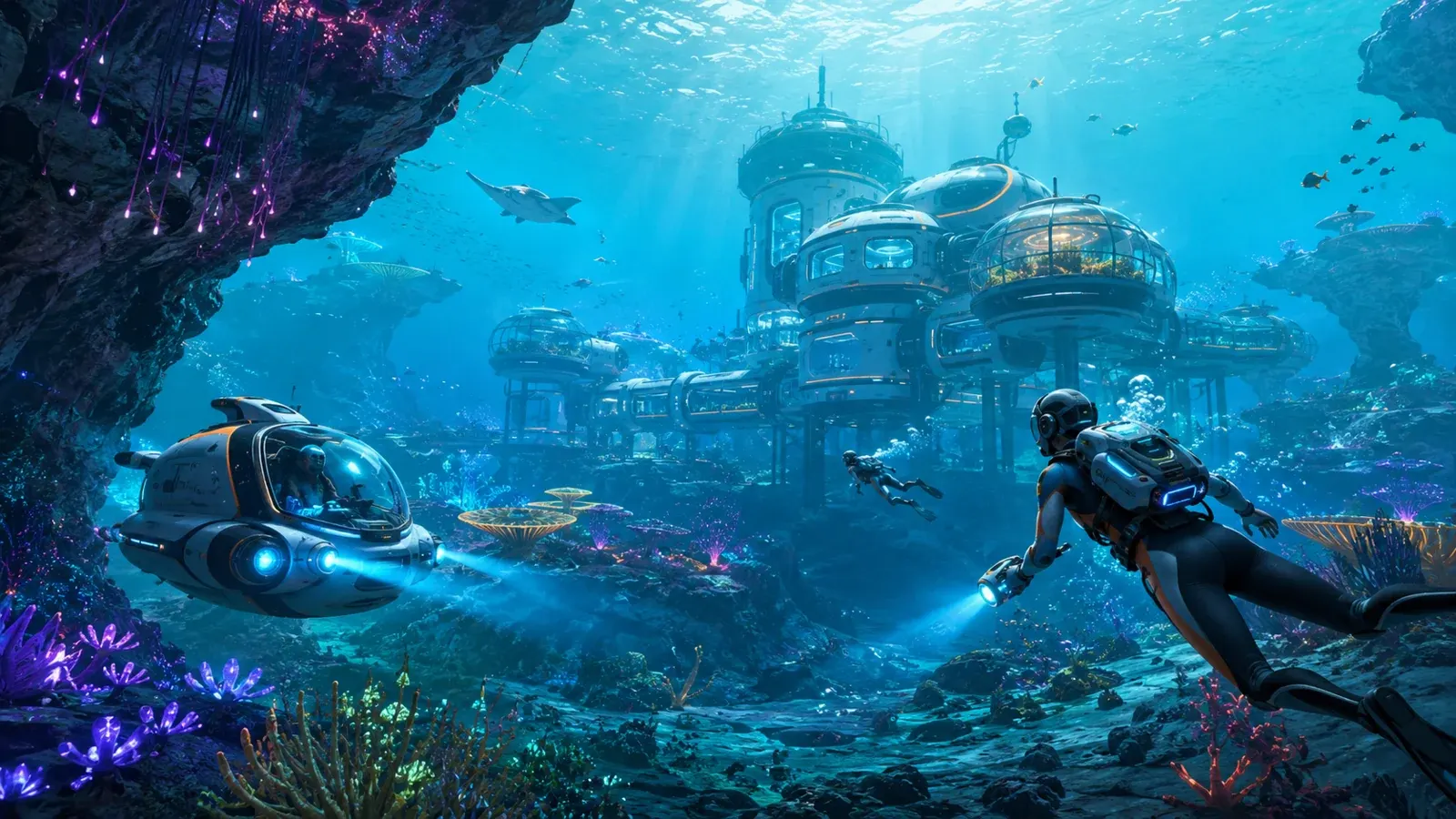
The early-access build is available on PC and Xbox Series X|S, including Game Pass on Xbox, with no PlayStation 5 or Nintendo Switch 2 version at launch. Unknown Worlds has positioned the sequel as a new alien-ocean survival game rather than a simple expansion of the original. It adds optional four-player co-op, a new planet, redesigned base-building tools and Unreal Engine 5 visuals, while keeping solo play as the default way to experience the game.
That balance matters. Co-op can broaden the audience, but the franchise’s reputation was built on isolation, exploration and fear rather than constant multiplayer noise. The first player reaction suggests that Unknown Worlds has not lost the core tone, even if early access still means missing features, rough edges and a development roadmap that will continue for a long period.
The Krafton dispute still matters
The launch cannot be separated from the corporate dispute around Unknown Worlds and Krafton. A Delaware court order in March reinstated Ted Gill as CEO and restored operational control after Krafton removed studio leaders during a fight over timing and a potential earnout. The same dispute included claims around a $250 million bonus window tied to the game’s performance. Krafton has contested parts of the case, and the broader legal conflict is not finished.
That is why the sales figure is more than a celebratory milestone. It gives Unknown Worlds a stronger public position while the earnout question remains visible. It also weakens the simple argument that the game was too risky or too unfinished to reach players. Strong early-access numbers do not settle a court fight, but they do change how the launch will be interpreted.
What the numbers mean
A 651,000-player peak puts Subnautica 2 in rare company for a survival launch. The lower early-access price likely helped, but price alone does not create this kind of start. The original game built loyalty over years, and the sequel benefited from that goodwill, Game Pass visibility, Steam wishlists and the curiosity generated by the legal drama.
The next test is retention. Early access rewards excitement at launch, but it also exposes a game to months of public judgment. Unknown Worlds now has an unusually large audience watching every roadmap update, balance patch and content drop. If the studio turns the opening surge into a stable development cycle, Subnautica 2 could become one of the defining survival releases of 2026. If updates slow or the legal dispute resurfaces in a disruptive way, the first 12 hours will look less like a finish line and more like pressure.