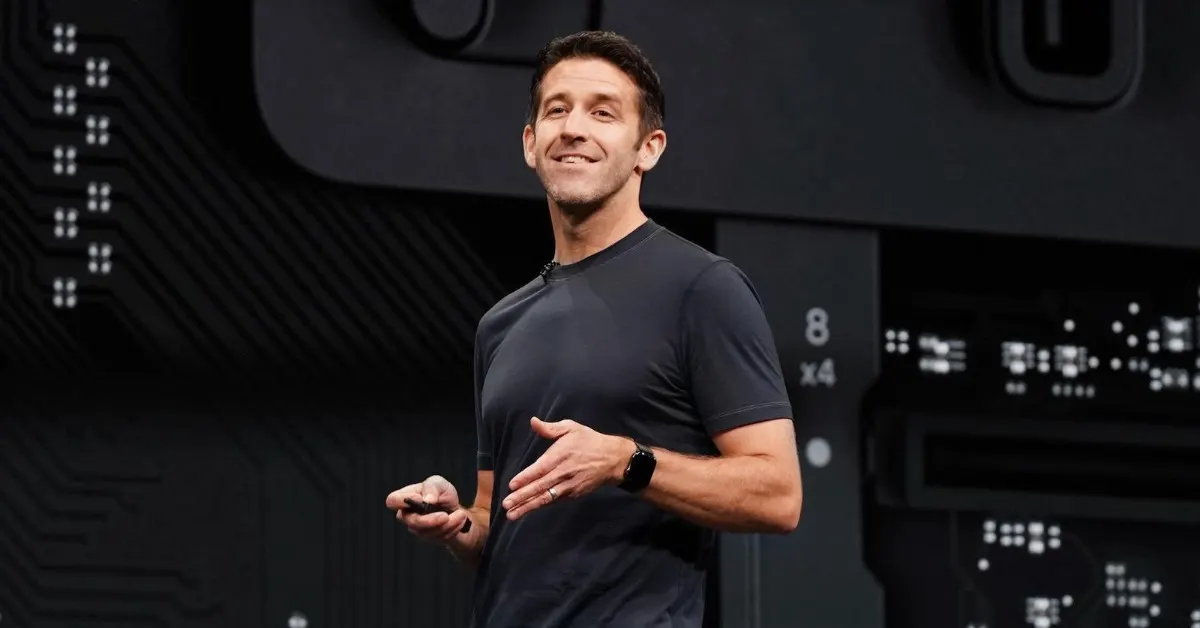
Apple has put a date on its biggest leadership change since Tim Cook took over from Steve Jobs. Cook will step down as CEO on September 1, 2026 and become executive chairman of Apple’s board. John Ternus, currently Apple’s senior vice president of Hardware Engineering, will take over as chief executive on that date.
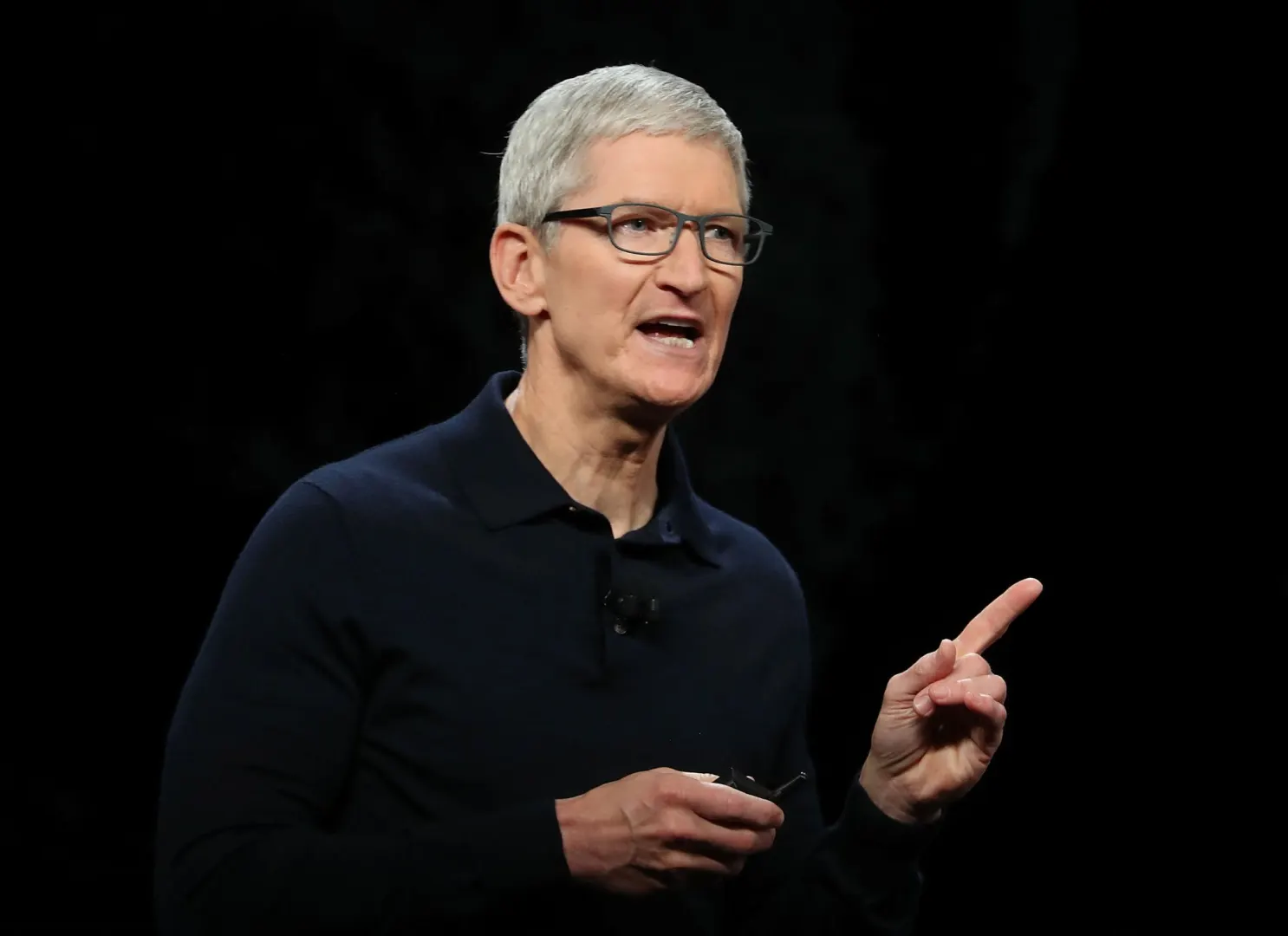
That timing matters. Ternus is not CEO yet, and Apple is not presenting this as an emergency handover. The company says the move follows a long-term succession process. Still, the choice is revealing: Apple is handing its next era to a product and hardware executive at a moment when investors, developers and users want clearer answers on AI, the future of the iPhone and the next major device category.
Why Apple chose an insider
Ternus is not an executive brought in from outside Apple. He joined Apple in 2001 and spent more than two decades inside the company’s product organization. That makes him a very Apple-like choice: someone who understands how the company moves from industrial design to silicon, supply chain, operating system integration and retail launch without treating those pieces as separate businesses.
For a company built around tight control of the whole product experience, that matters. Apple’s board did not choose a media-friendly celebrity CEO or a services executive to suggest a radical break. It chose someone who knows Apple’s product system from the inside. The bet is that Apple’s next problems will not be solved by positioning, but by making hardware, software and AI work together in products people actually use every day.
What Ternus actually does at Apple
Apple’s leadership profile says Ternus oversees the hardware engineering teams behind iPhone, iPad, Mac, AirPods, Apple Watch and Vision Pro. In Apple’s structure, that is not a narrow engineering lane. Hardware engineering touches performance, battery life, materials, thermal design, manufacturing feasibility and the timing of major product cycles.
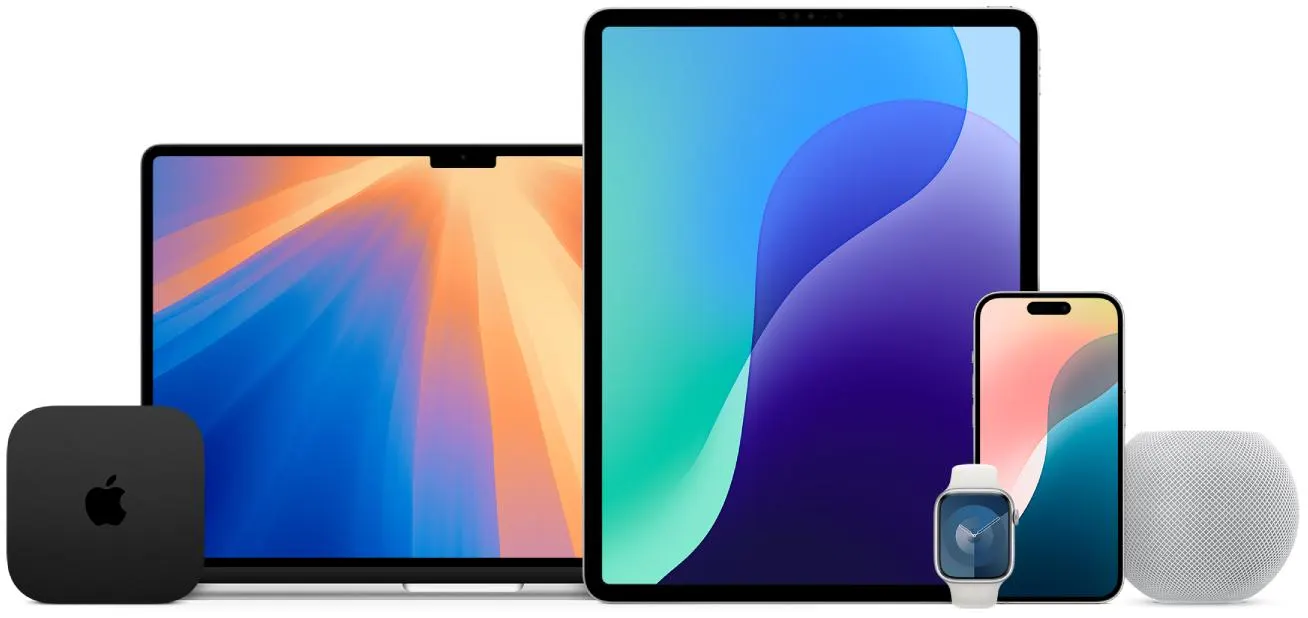
That background helps explain the appointment. Apple’s advantage has rarely been one isolated feature. It has been the ability to make the chip, the device, the operating system, the app platform and the services feel like one product. Ternus comes from the part of the company where that integration either works or fails in users’ hands.
The first test is AI
The pressure around artificial intelligence will arrive before Ternus has time to define a long honeymoon period. Apple has introduced Apple Intelligence, but the company is still judged against faster-moving rivals that have made generative AI central to their public story. Siri, on-device models, privacy-preserving cloud features and developer tools will all be watched closely.
Ternus’s hardware background could be useful here. Apple’s AI strategy is not only about building or licensing large models. It also depends on chips, memory, battery life, private cloud infrastructure and how much intelligence can run on a device without making the experience slower or less reliable. If Apple wants AI to feel native rather than bolted on, the hardware-software link becomes central.
The iPhone problem will not disappear
The iPhone remains Apple’s strongest business and its biggest dependency. Services revenue, wearables, accessories and much of Apple’s developer economy still lean on the iPhone installed base. That gives Ternus a durable platform, but also a familiar problem: how to keep the iPhone compelling in a mature smartphone market where upgrade cycles are longer and competitors are more aggressive.
The next CEO will not be judged only on whether Apple can produce another annual iPhone refresh. The larger question is whether Apple can make the iPhone feel central to new computing habits again, especially as AI assistants, spatial computing and cross-device services change what users expect from their devices.
New products need a clearer case
Cook’s Apple produced successful new businesses, most notably Apple Watch and AirPods, while also expanding services into a major profit engine. Vision Pro showed that Apple is still willing to take expensive product risks, but it has not yet become a mainstream device. That leaves Ternus with a difficult brief: protect the core business while proving Apple can still create new categories with broad appeal.
This is where a hardware-led CEO could change the conversation. A new category does not succeed because it is impressive on stage. It succeeds when the product is comfortable, useful, well priced for its audience and supported by software that gives people a reason to come back. Those are execution problems as much as strategy problems.
Regulation and supply chain pressure
Ternus will also inherit issues that are far outside the product lab. Apple faces regulatory scrutiny over the App Store, payments, default services and ecosystem control. It also continues to manage a complex global supply chain at a time of trade tension and manufacturing diversification. Cook’s reputation was built in large part on operating discipline in exactly these areas.
That does not mean Ternus must become a copy of Cook. It does mean he will need a strong team around policy, operations and finance while he puts his own stamp on product direction. Apple’s next CEO will have to defend the ecosystem without making the company look closed to change.
Cook will still be in the room
Cook’s move to executive chairman gives Apple continuity with investors, governments and major partners. It should make the transition calmer. It also creates a management question: how quickly can Ternus become the clear voice of Apple while Cook remains nearby?
The answer will matter. If the arrangement works, Cook can absorb some of the external pressure while Ternus focuses on products and internal execution. If it does not, Apple risks sending mixed signals about who is setting the company’s direction. The first year will show how much space the new CEO has to make visible decisions.
What changes under Ternus
The safest reading is not that Apple is about to abandon Cook’s playbook. It is that the company wants to keep its operational discipline while putting a product engineer in charge of the next chapter. That choice fits the moment: Apple does not need to prove it can scale. It needs to prove it can make the next wave of technology feel useful, private and polished inside its own ecosystem.
Ternus will take over a company with enormous strengths and unusually high expectations. His challenge is to turn those strengths into clearer product progress: better AI experiences, a more convincing strategy beyond the iPhone and enough discipline to keep Apple’s core business steady while the market changes around it.