The man accused of throwing a Molotov cocktail at the San Francisco home of OpenAI CEO Sam Altman has pleaded not guilty to state charges including attempted murder and attempted arson. Daniel Alejandro Moreno-Gama, a 20-year-old from Texas, entered the pleas in court this week, according to the Associated Press, as his attorney requested a mental-health evaluation that the judge allowed.
The update moves the story from a security incident into a legal case with two tracks: state charges in San Francisco and separate federal charges tied to explosives and an unregistered firearm. The allegations are serious, but they remain allegations. Moreno-Gama has not been convicted, and the court process is still at an early stage.
What authorities say happened
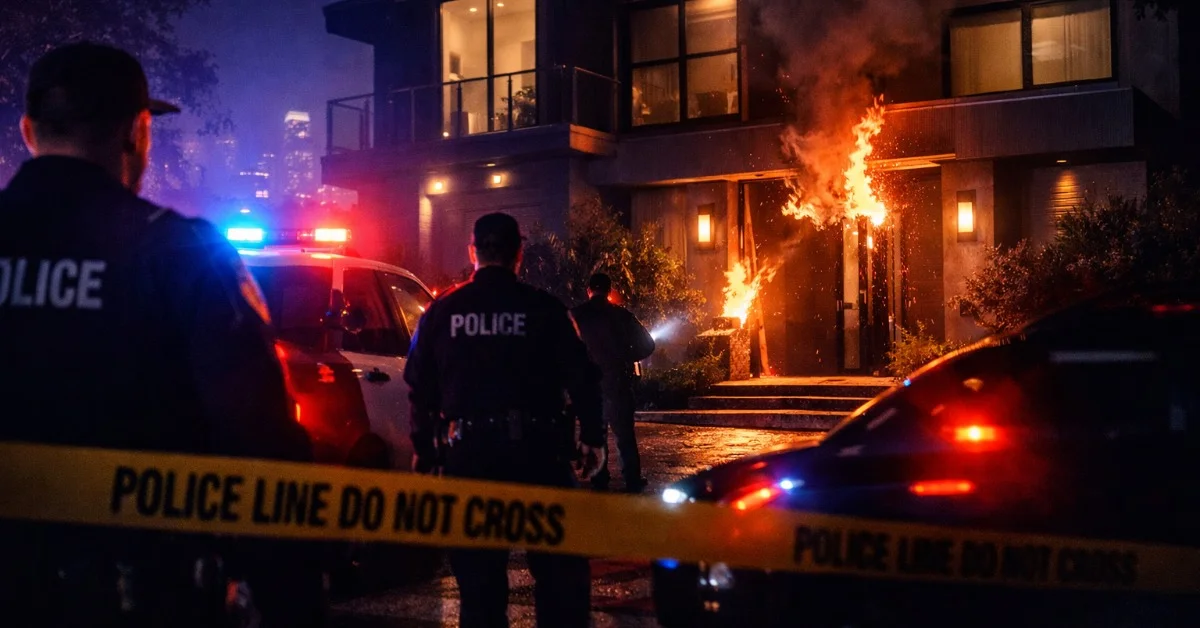
The incident took place in the early hours of April 10, 2026. Police said a man threw an incendiary device at the exterior gate of Altman’s residence, starting a fire before fleeing on foot. No injuries were reported. Reuters, citing San Francisco police and OpenAI, reported that a 20-year-old suspect was detained roughly an hour later after authorities received a call about a man threatening to burn down another building.
OpenAI confirmed at the time that the residence belonged to Altman and said it was cooperating with law enforcement. The company also said there was no ongoing threat to employees. The case drew immediate attention because Altman is one of the most visible executives in artificial intelligence and because the alleged attack came amid growing public tension over AI’s social and economic effects.
The charges now facing Moreno-Gama
State prosecutors have accused Moreno-Gama of a targeted attack on Altman and brought charges that include attempted murder, attempted arson and attempted criminal threats. AP reported that the state charges carry severe potential penalties, though sentencing questions would come only if prosecutors prove the charges in court.
Federal prosecutors in the Northern District of California also filed charges. According to the U.S. Attorney’s Office, Moreno-Gama is accused of attempted damage and destruction of property by means of explosives and possession of an unregistered firearm. The federal complaint alleges he traveled from Texas to San Francisco and then went toward a related AI company building after the attack at the residence.
Why the wording matters
Coverage of this case needs careful language. Court filings and prosecutors have described writings attributed to Moreno-Gama as sharply hostile toward artificial intelligence. His attorney, Diamond Ward, has said the episode stemmed from a mental-health crisis rather than a desire to harm, and accused prosecutors of overcharging the case. Those competing claims now belong in court, not in a headline presented as fact.
The broader AI debate is also not reducible to this incident. Public criticism of AI companies can be legitimate, especially on safety, labor, privacy and national-security questions. Violence and threats are something else entirely. The case is therefore best understood as both a criminal proceeding and a warning about how quickly high-stakes technology debates can become entangled with security risks, personal targeting and public fear.
The next steps will depend on the mental-health evaluation, the state-court schedule and the federal case. For now, the record is that a suspect has pleaded not guilty, prosecutors allege a deliberate attack, and the courts will determine what can be proven.