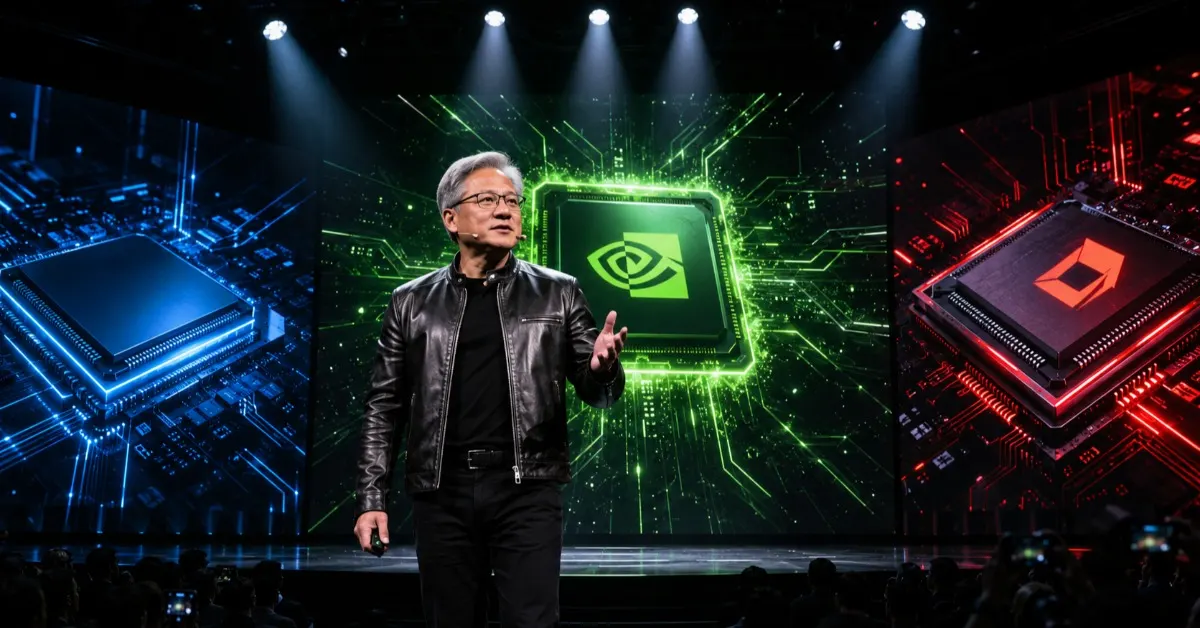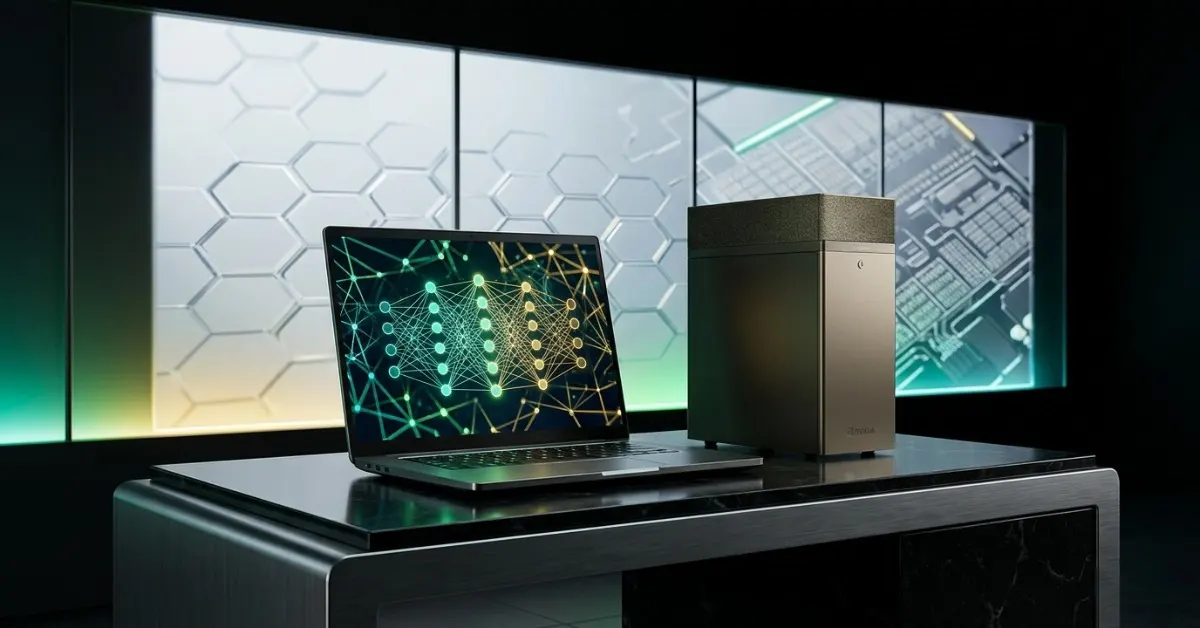
NVIDIA used its GTC Taipei keynote at COMPUTEX to turn last week’s “new era of the PC” tease into a more concrete hardware plan. The centrepiece is RTX Spark, a Windows PC superchip designed to run personal AI agents locally rather than pushing every task to cloud servers. The announcement also linked the consumer PC push with NVIDIA’s broader agent stack, DGX Station for Windows and the ramp of Vera Rubin AI infrastructure.
What RTX Spark actually is
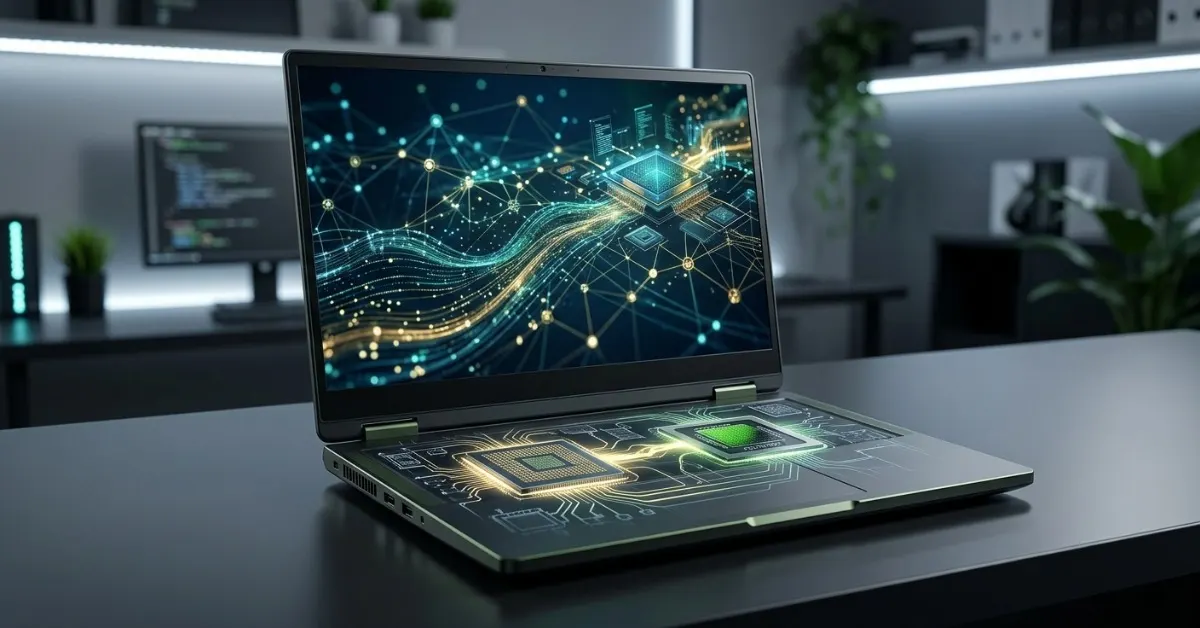
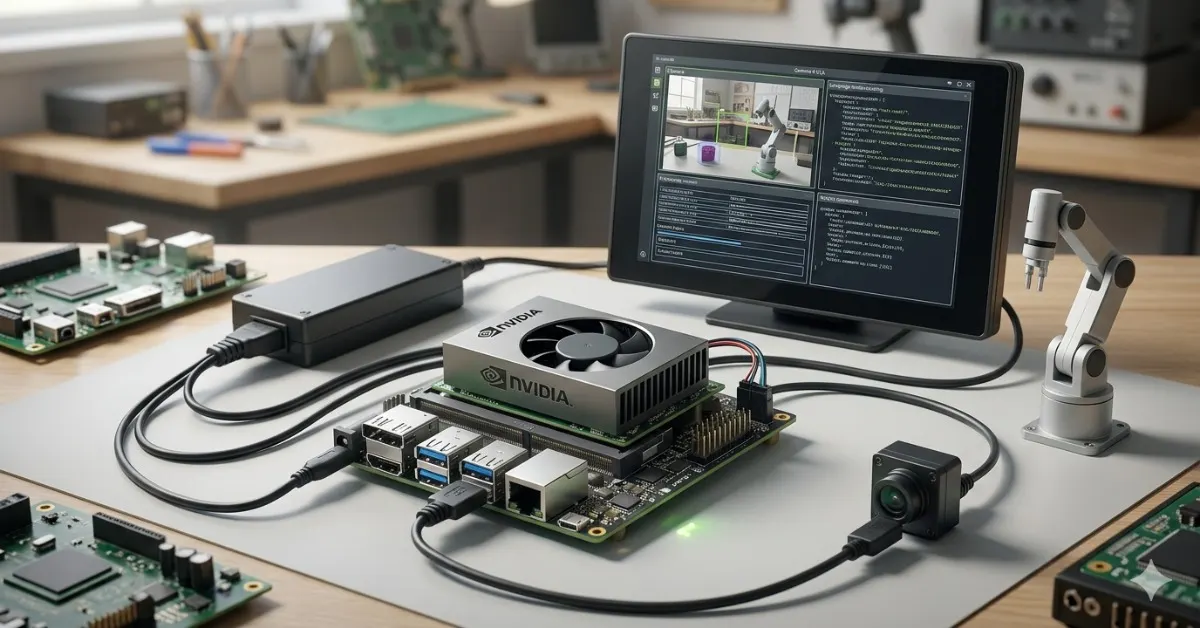
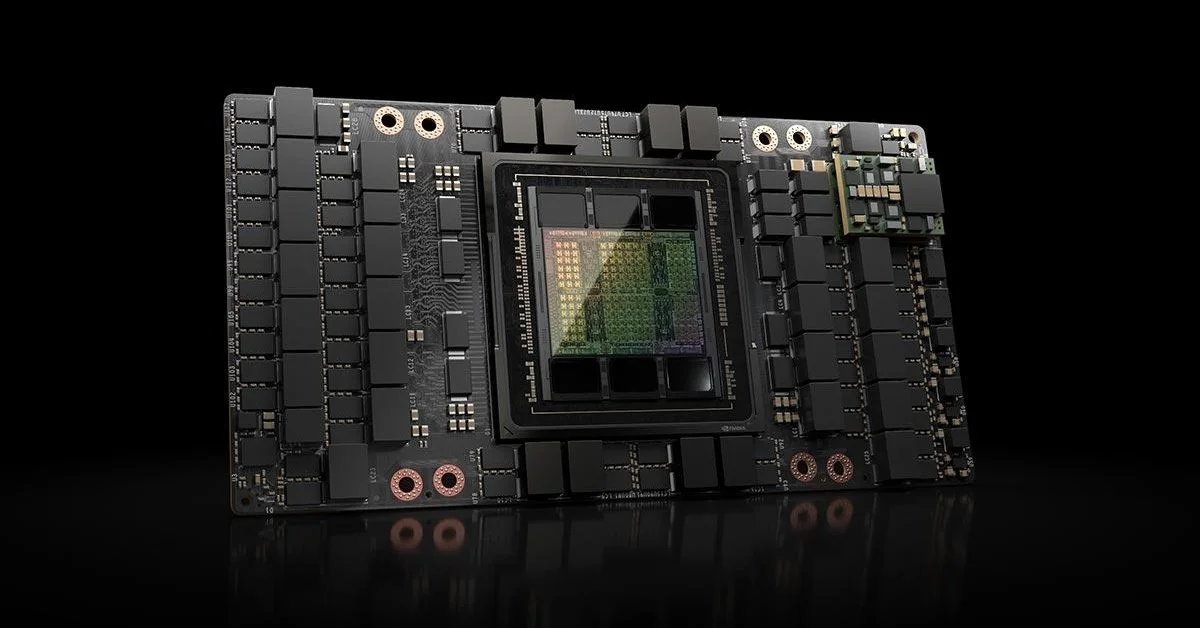
NVIDIA describes RTX Spark as a 1-petaflop superchip for slim Windows laptops and compact desktops. The company says it combines a Blackwell RTX GPU with 6,144 CUDA cores, fifth-generation Tensor Cores and a 20-core Grace CPU connected through NVLink-C2C. MediaTek worked with NVIDIA on the custom Arm-based CPU design. The result is positioned for creators, AI developers, gamers and users who want on-device agents with more privacy and lower dependence on metered cloud compute.
The official pitch is ambitious: up to 128 GB of unified memory, local 120-billion-parameter model use, large creative workloads and 1440p gaming at over 100 frames per second in supported titles. Those figures should still be read as platform claims rather than real-world reviews. Battery life, thermals, software compatibility and OEM configuration will decide how RTX Spark systems behave once they reach buyers.
Windows agents and the Microsoft link
The Microsoft partnership is central to the story. NVIDIA says Windows will gain new security primitives for agents, while NVIDIA OpenShell is designed to help users define what agents may access, what they may do and when private information should stay local. That makes the announcement more than a chip launch. NVIDIA is trying to make the PC an environment where local assistants can search files, work across apps and complete longer tasks under tighter user control.
RTX Spark laptops and compact desktops are expected this fall from ASUS, Dell, HP, Lenovo, Microsoft Surface and MSI, with Acer and GIGABYTE models to follow. Reuters also frames the launch as NVIDIA’s move deeper into PC CPUs and local inference, where it will compete more directly with AMD, Intel, Apple and Qualcomm.
DGX Station and Vera Rubin widen the frame
The keynote also reinforced NVIDIA’s larger stack. DGX Station for Windows brings deskside AI infrastructure to professional teams that need local model development and inference. Vera Rubin, meanwhile, is being presented as the next AI factory platform as its supply chain ramps into full production. That matters because NVIDIA’s message is not just “AI laptops are coming”; it is that the same agent workflow should scale from a user’s PC to a workstation and then to data-centre AI factories.
The safe read is therefore measured. RTX Spark is a major PC hardware move, and it gives NVIDIA a stronger story around local agents. But pricing, availability by market, independent benchmarks and the maturity of Windows agent security will determine whether this becomes a real platform shift or another premium AI-PC cycle with slower mainstream adoption.