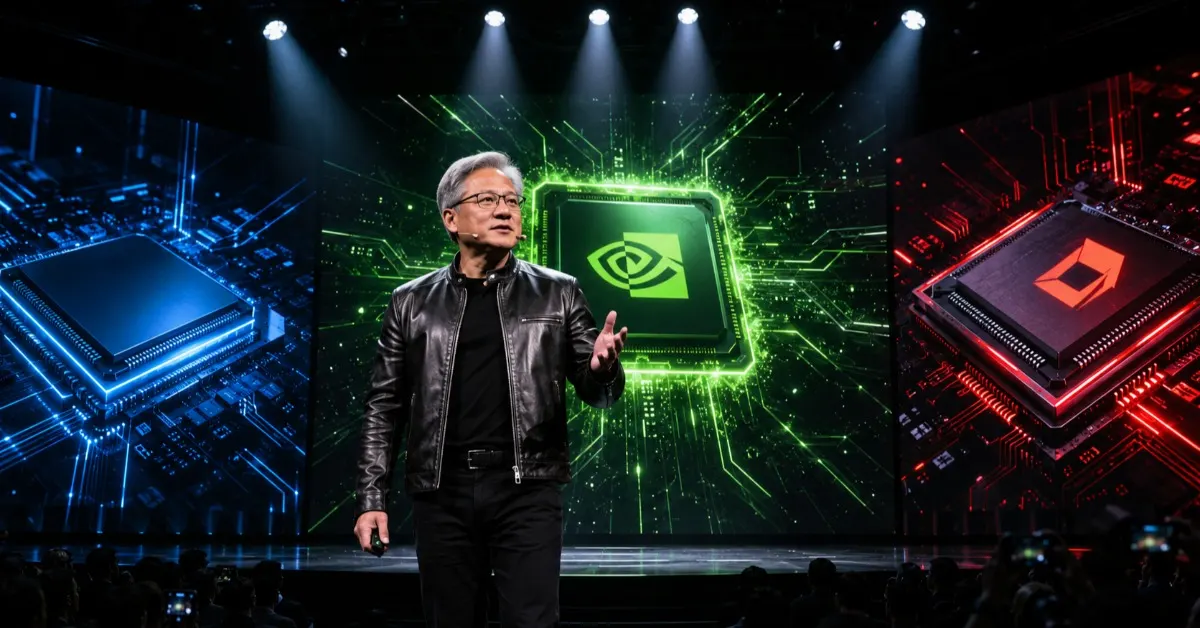
Nvidia and Microsoft have raised expectations for Computex 2026 with a coordinated “new era of PC” teaser, but the careful reading is not that a full N1X specification sheet has been confirmed. The companies’ posts point to Taipei and arrive just before Nvidia chief executive Jensen Huang’s GTC Taipei keynote on June 1. That timing makes a Windows PC announcement with Nvidia silicon plausible; it does not make every rumored clock speed, core count or GPU comparison official.
The official anchor is clear. Nvidia lists Huang’s keynote for June 1 at 11:00 a.m. Taiwan Time at the Taipei Music Center, where the company says it will discuss the next generation of AI, robotics and accelerated computing. Separately, Reuters, citing Axios, reports that the first Windows PCs powered by Nvidia chips are expected to debut next week, with Computex in Taiwan and Microsoft Build in San Francisco forming the likely stage for the reveal.
What the teaser actually tells us
The teaser’s wording is deliberately broad. “A new era of PC” suggests a platform story rather than a routine graphics card refresh. Tom’s Hardware and TechSpot both connect the posts to the long-rumored Nvidia Windows-on-Arm effort often described as N1 or N1X. The coordinates used in the posts point to Taipei, strengthening the Computex link.
That is enough to treat the story as a serious pre-announcement signal. It is not enough to say that Nvidia has confirmed a 20-core Arm chip, RTX 5070-class graphics, CUDA support in a specific form, or holiday-season laptops from every named vendor. Those details may prove partly correct, but at this stage they remain report-based expectations rather than official product data.
Why Windows on Arm matters here
The bigger story is Windows on Arm. Qualcomm has carried most of the recent public momentum in that segment with Snapdragon X systems, while Intel and AMD still dominate the broader Windows laptop market. If Nvidia enters with its own CPU-and-GPU platform, the market could gain a third major path for efficient Windows PCs, local AI workloads and creator laptops.
For Nvidia, the appeal is obvious. Its software stack, GPU brand and developer ecosystem already matter in gaming, creative tools and AI. A Windows PC platform would let the company push those strengths closer to the device level. For Microsoft, stronger Arm hardware would support its broader effort to make Windows laptops more efficient and better suited to on-device AI.
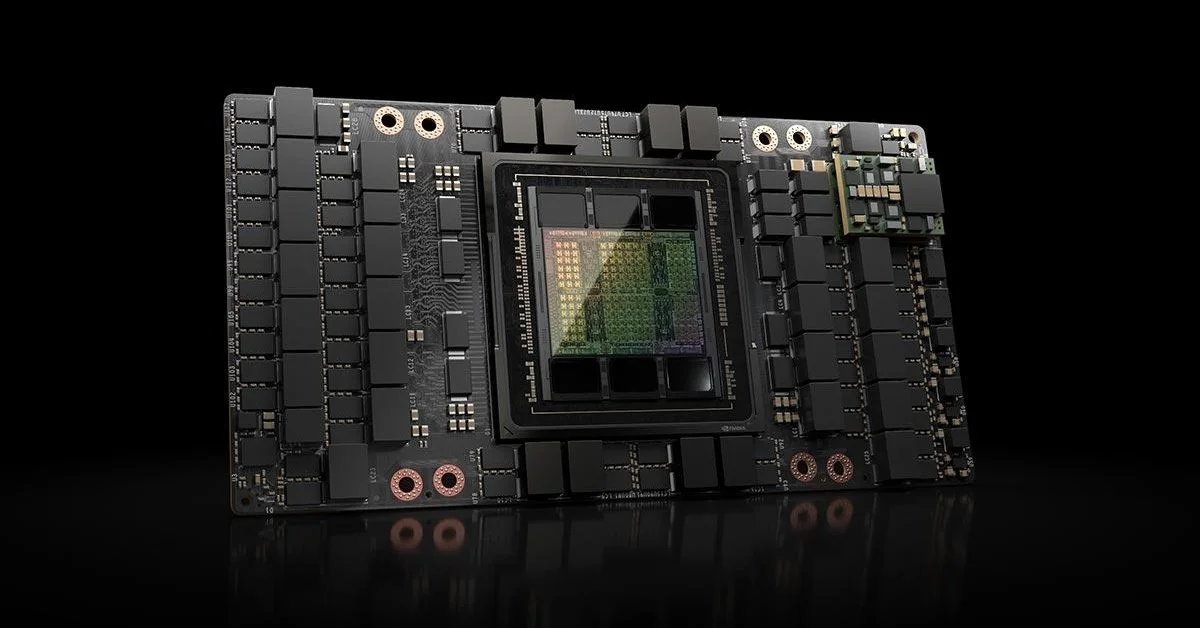
This sits alongside Nvidia’s wider hardware roadmap, where Blackwell demand has already put AI hardware under intense scrutiny. A PC-oriented chip would be a different product class, but it would still connect to the same long-term question: how much AI work should happen locally, and what kind of hardware should carry it?
What remains unconfirmed
The cautious line matters because Computex rumors move quickly. Nvidia has not yet published an N1X product page, partner list, pricing, performance chart or release schedule. Microsoft has not detailed how such machines would differ from existing Copilot+ PCs. Reports point toward Nvidia-powered Windows devices, but official claims should wait for the keynote and partner announcements.
For readers, the useful takeaway is simple: the teaser is real, the timing is significant and a Windows PC push from Nvidia now looks likely. The exact silicon name, performance level, vendors and launch timing still need official confirmation. Until then, this is a strong Computex signal, not a finished product launch.