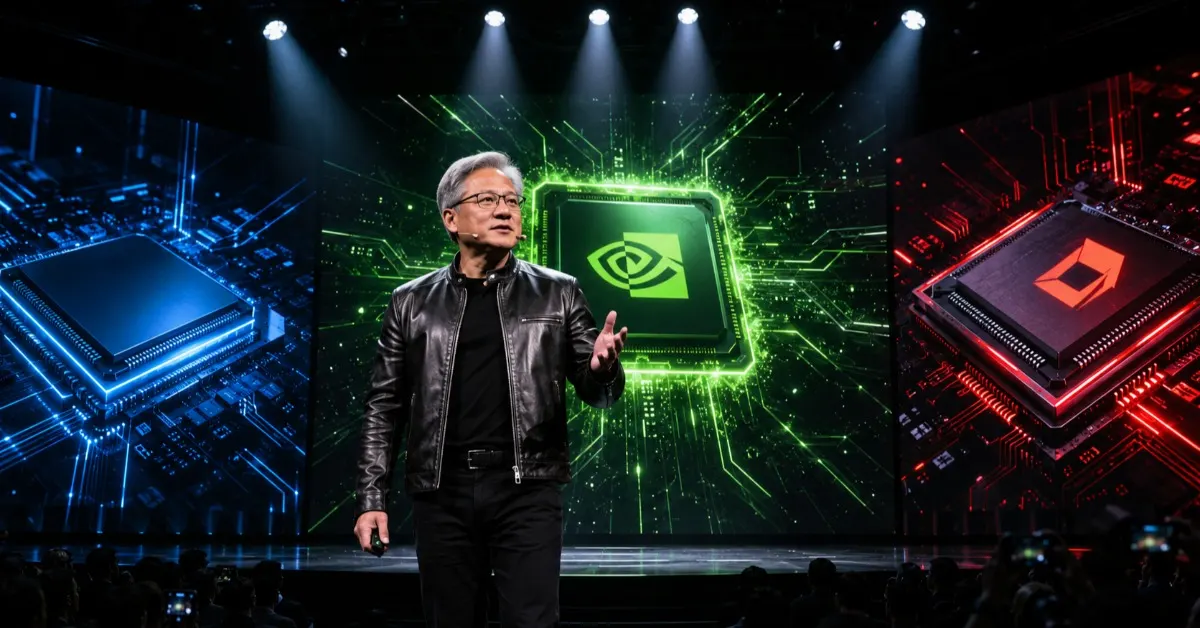
Computex 2026 opens in Taipei on June 2 and runs through June 5, but the week effectively starts a day earlier. NVIDIA CEO Jensen Huang is scheduled to speak at the Taipei Music Center on June 1, before the main show floor opens, and the keynote has become the clearest signal of how this year’s event will be framed: AI infrastructure, AI PCs, robotics, edge computing and the supply chain needed to make all of that real.
The official Computex theme is “AI Together”, and the show is being presented as the largest edition in its history, with 1,500 exhibitors and about 6,000 booths. That scale matters because Computex is not only a product launch stage. It is also where Taiwan’s board makers, notebook vendors, server suppliers and chip partners show how quickly platform roadmaps are turning into systems.
What is confirmed for Computex 2026?
The confirmed schedule is already heavy. TAITRA says Huang will use his June 1 keynote to outline NVIDIA’s latest AI developments and the partners needed to scale the AI ecosystem. NVIDIA’s own GTC Taipei page points to sessions around physical AI, AI compute, AI infrastructure and development, with activity running through June 4 at the Taipei International Convention Center.
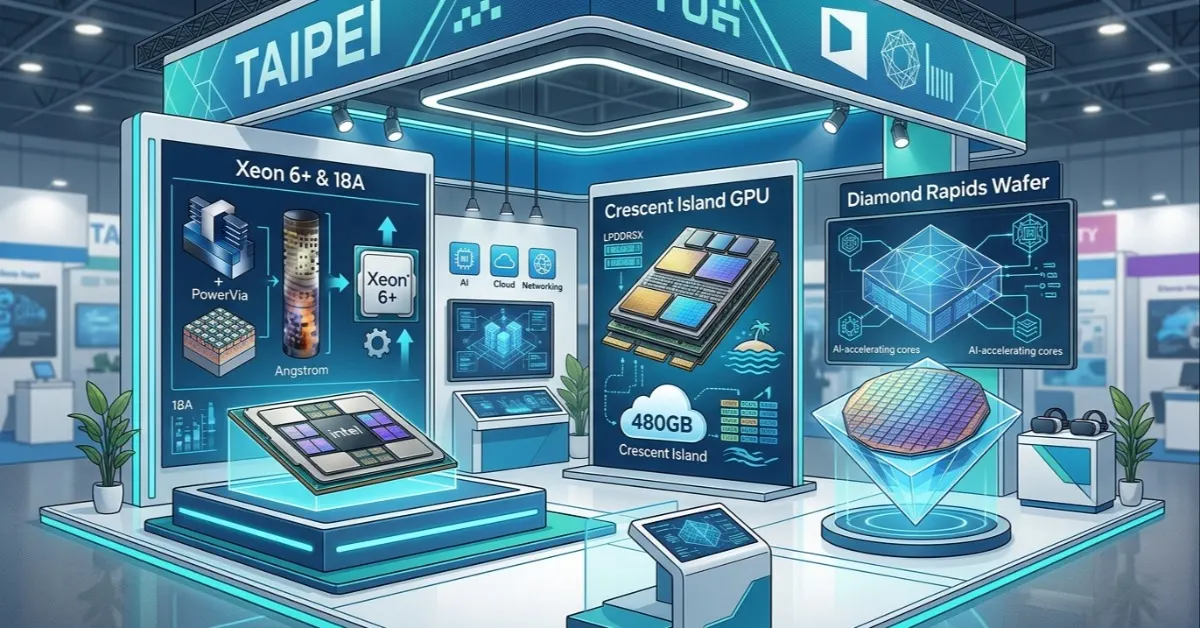
Qualcomm CEO Cristiano Amon is due to open the Computex keynote program later on June 1, while Intel CEO Lip-Bu Tan is scheduled to speak on June 2. EE Times Asia frames the agenda around scalable AI infrastructure, edge intelligence, heterogeneous computing and physical AI systems. In other words, this is not a conventional PC component show. The big question is how CPUs, GPUs, NPUs, networking and memory will be assembled into workable AI platforms.
NVIDIA N1X is still a question, not a confirmed launch
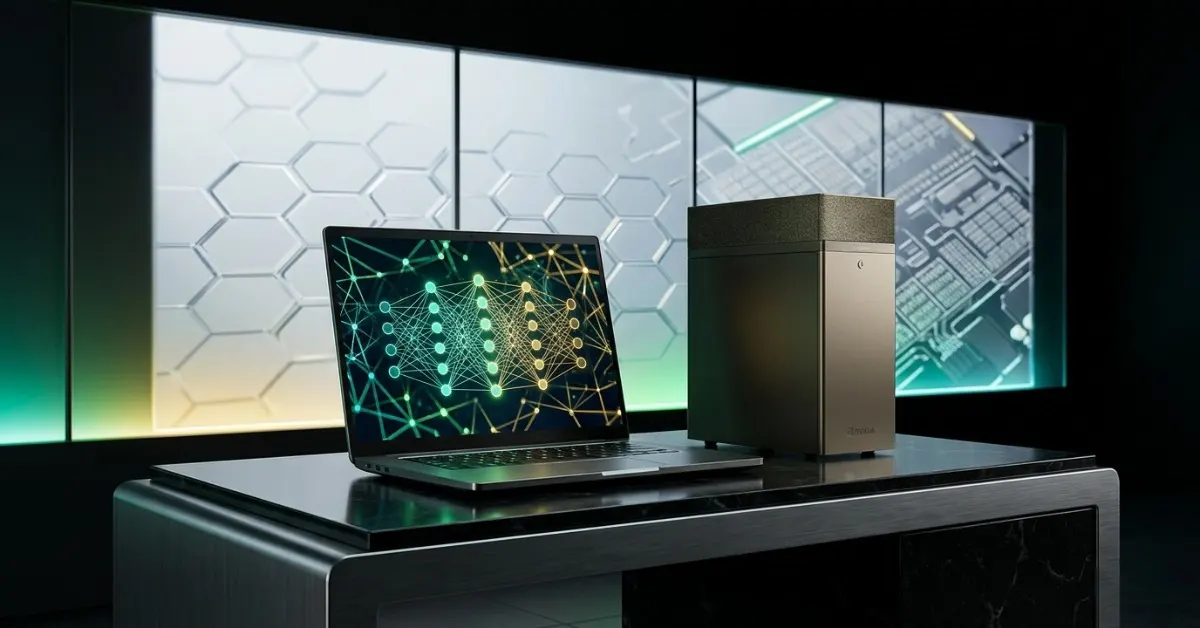
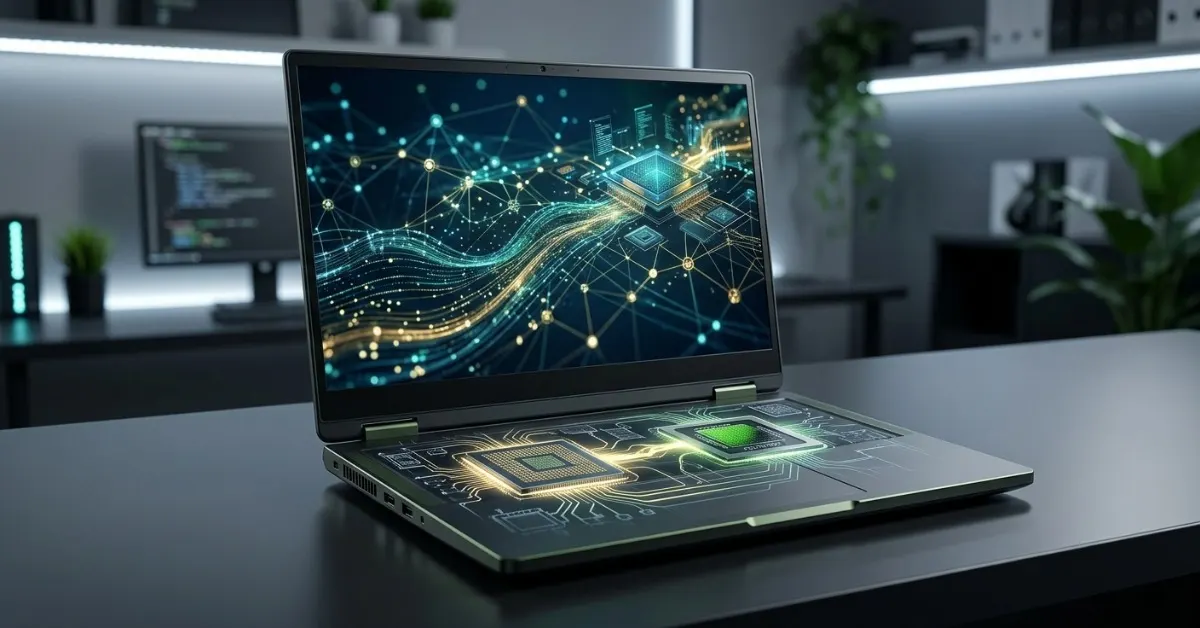
The most tempting headline is NVIDIA’s long-rumored N1X, an Arm-based PC chip expected by some industry watchers to target Windows-on-Arm laptops. That possibility belongs in the story, but it should be treated carefully. NVIDIA has not officially announced an N1X launch for Computex. The safer reading is that Huang’s keynote gives the company a natural venue to discuss client-side AI and CPU ambitions, while any actual product reveal remains unconfirmed until NVIDIA says it on stage.
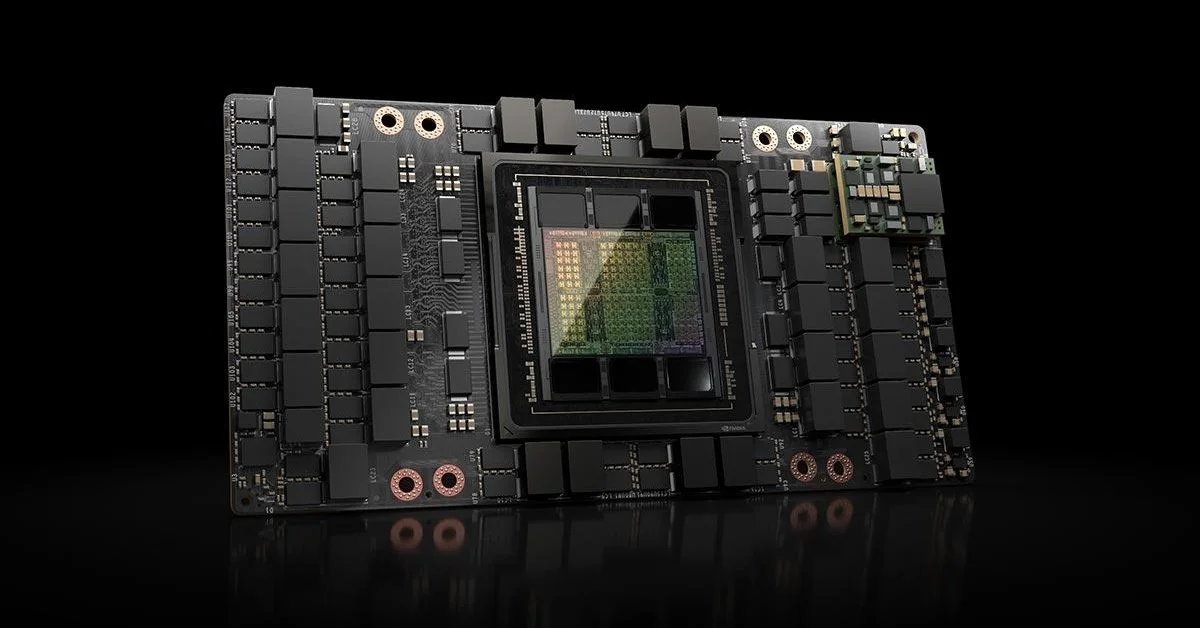
The broader CPU story is more firmly grounded. Reuters reported from Taipei that Huang sees a large new market for CPUs as agentic AI pushes demand beyond GPUs, and that NVIDIA is ramping production of the Vera Rubin platform. That makes Computex relevant even if N1X stays a rumor: NVIDIA’s CPU strategy is already part of its AI infrastructure narrative.
Intel, AMD and the AI PC context
Intel’s June 2 keynote gives the company a chance to defend the CPU’s role in the AI era. The draft of the week is clear: Intel needs to show progress across silicon, systems and software while PC makers look for reasons to refresh laptops and desktops around AI workloads. Nova Lake and related future platforms may come up, but any unannounced product detail should remain framed as expectation rather than fact.
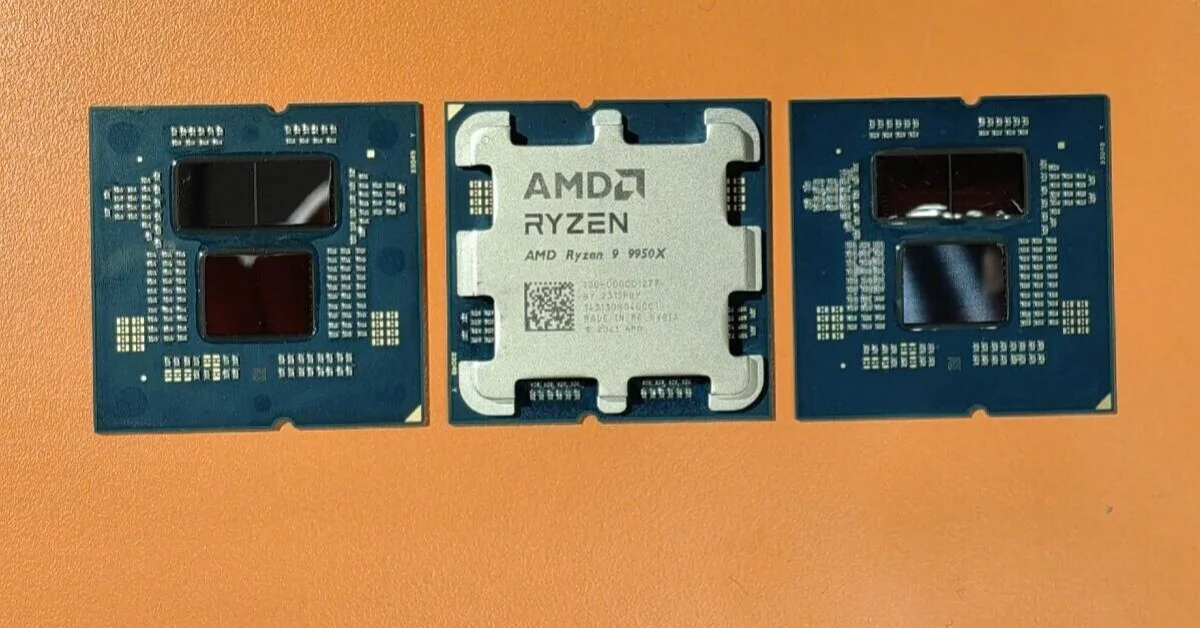
AMD enters the week with a different angle. The company has recently emphasized Taiwan partnerships, advanced packaging and data-center capacity. On the client side, any Zen 6 or next-generation AM5 platform talk should be read as a preview signal unless AMD makes a formal launch. The more solid link is the same one running through the whole show: AI demand is pulling CPUs, accelerators, memory and packaging into one platform conversation.
For readers, the practical takeaway is simple. Computex 2026 is worth watching less for one isolated chip and more for the direction of the ecosystem. NVIDIA’s keynote will set the tone, Qualcomm and Intel will show how they want to position AI across devices and infrastructure, and AMD’s partners may hint at where the next platform cycle is heading. Until the keynotes actually happen, the clean line is to separate confirmed schedule from plausible but unconfirmed product expectations.