Nvidia's Blackwell platform has become one of the main reference points in the AI hardware race. The architecture was introduced as the successor to Hopper, with Nvidia positioning it for large-scale training, inference, data processing and enterprise AI deployments. In 2026, the issue is no longer just the chip announcement itself. The focus has moved to how fast Nvidia and its partners can turn Blackwell systems into available data center capacity.
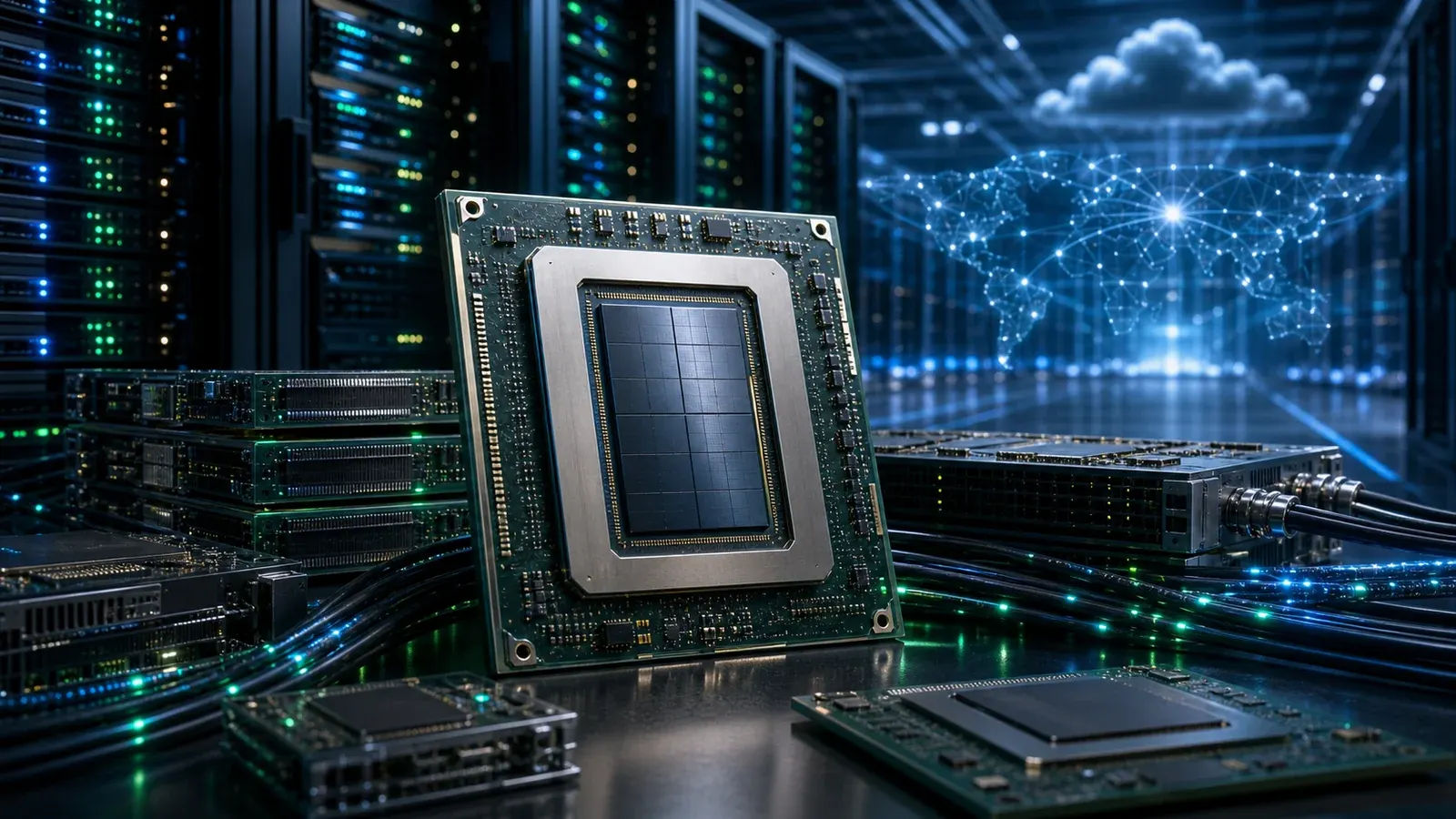
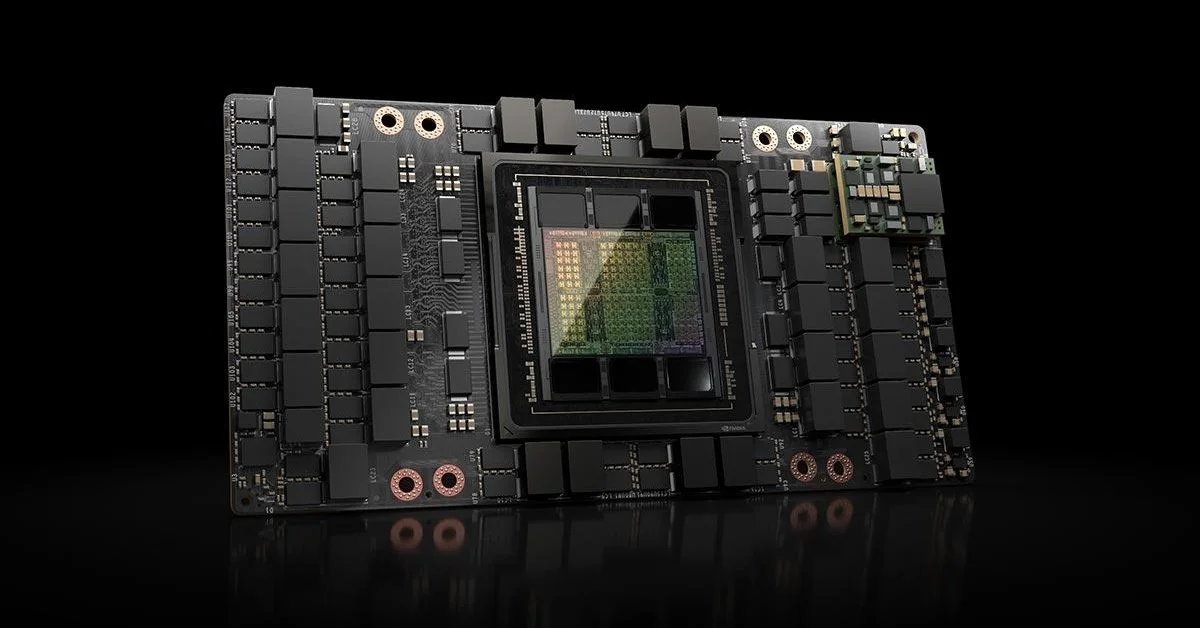
The official Blackwell platform includes B200 GPUs, the GB200 Grace Blackwell Superchip and rack-scale systems such as GB200 NVL72. Nvidia says the architecture is designed for trillion-parameter AI models, lower inference cost and high-bandwidth communication through newer NVLink generations. That matters because the AI market is moving from experimental model training toward production inference, where latency, energy use and system-level efficiency become as important as raw accelerator performance.
Data center demand is still driving the story
Nvidia's latest fiscal 2026 results show why Blackwell receives so much attention. The company reported record fourth-quarter revenue of 68.1 billion dollars and data center revenue of 62.3 billion dollars, up sharply from the previous year. Nvidia also guided for 78 billion dollars in revenue for the first quarter of fiscal 2027. Those numbers underline that accelerated computing and AI infrastructure remain the core growth engine, not a side business.
The demand picture is broader than a single product generation. Nvidia has already presented Rubin as the next platform after Blackwell, but Blackwell remains the current deployment base for many cloud and enterprise projects. The transition therefore looks more like a rolling infrastructure cycle than a clean one-year replacement. Cloud providers, model developers and enterprise customers need systems that can be installed, powered, cooled and networked at scale.
Blackwell is also a supply chain test
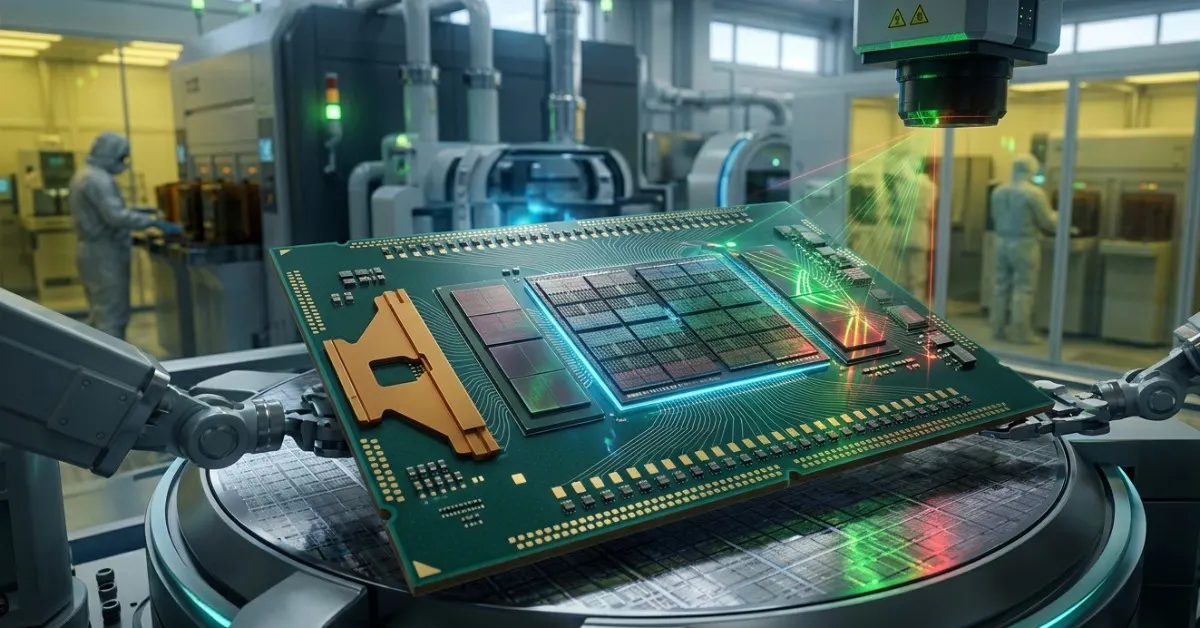
The challenge for Nvidia is execution. Advanced AI systems depend on GPUs, CPUs, high-bandwidth memory, networking, packaging capacity, server integration and data center power. Even when demand is strong, customers cannot use chips that have not yet been turned into complete systems. That is why partnerships with cloud providers, server makers and infrastructure operators are central to the Blackwell rollout.
This is also why the Blackwell discussion often sounds less like a traditional GPU launch and more like infrastructure planning. A rack-scale AI system has to fit power distribution, cooling, networking and software deployment requirements. For hyperscalers, the buying decision is not only about benchmark performance; it is about how quickly capacity can be brought online and how reliably it can serve customers.
For customers, the key question is not simply whether Blackwell is faster than Hopper. It is whether enough systems will be available at predictable cost, with software support and power budgets that fit real deployments. Nvidia's advantage remains its full stack: GPUs, networking, CUDA software, enterprise AI tools and a large partner network. The pressure is that every part of that stack must scale at once.
In 2026, Blackwell is best understood as Nvidia's bridge between the first generative AI build-out and the next generation of reasoning and agentic AI systems. The architecture is important, but the rollout is the real test.