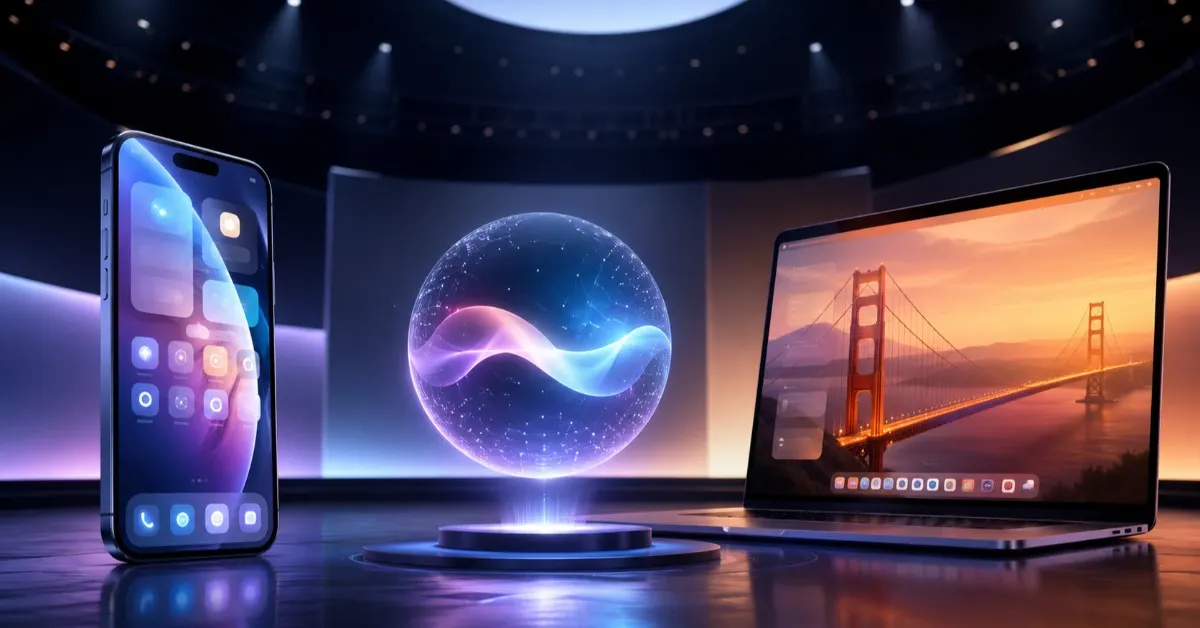
Apple's mobile AI plan did not arrive as a single dramatic product launch. It has been unfolding through software updates, regional availability and a careful hardware boundary. The iOS 18.4 update was a key step in that rollout: Apple Intelligence expanded to more languages and regions, including French, German, Italian, Portuguese for Brazil, Spanish, Japanese, Korean and Simplified Chinese, along with localized English for India and Singapore. It also brought Apple Intelligence to iPhone and iPad users in the European Union for the first time.
That matters because Apple is taking a different route from rivals that emphasize cloud-first assistants. Apple Intelligence is built around a mix of on-device processing and Private Cloud Compute for heavier requests. The company frames this as a privacy-first model: personal information can help features become useful, but the system is designed to limit unnecessary data exposure. In mobile AI, that privacy message is not a side detail. It is one of Apple's main competitive arguments.
iOS 18.4 turned availability into the real story
The first Apple Intelligence features were limited by device, language and region. iOS 18.4 made the product feel less like an early preview and more like a wider platform. The update did not suddenly put advanced AI on every iPhone. Apple's own support guidance still limits Apple Intelligence to compatible hardware, including iPhone 15 Pro models and newer iPhone 16 models, plus supported iPads and Macs. But the expansion gave Apple a much larger addressable user base.
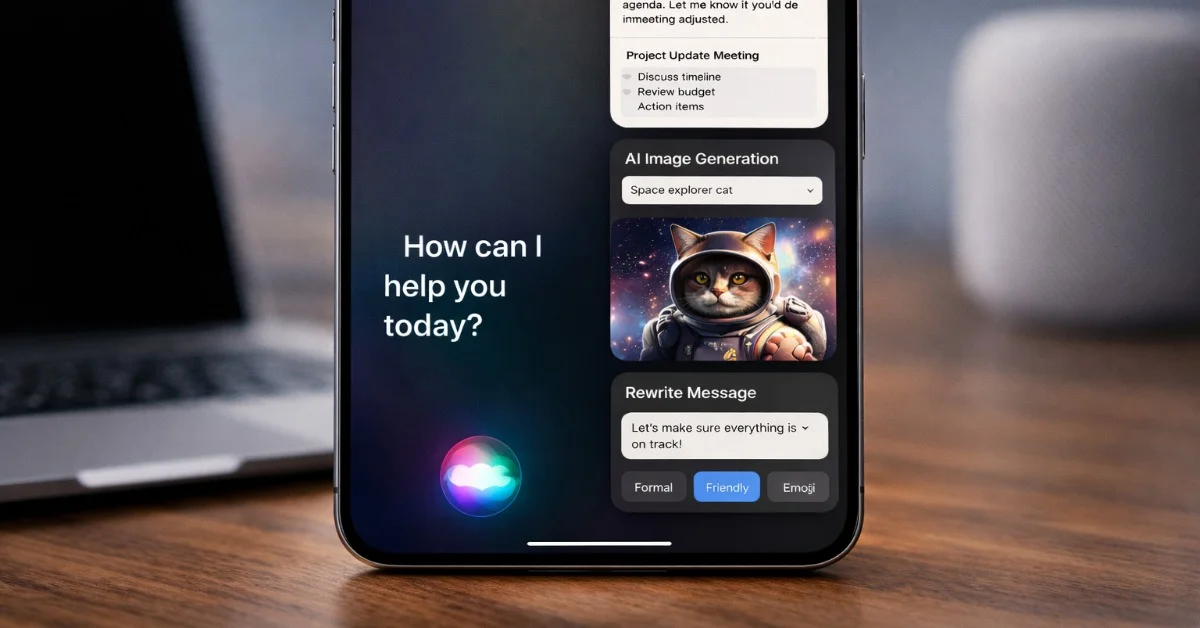
The feature set also shows how Apple wants AI to appear inside the operating system rather than as a separate chatbot. Writing Tools, notification summaries, image features and smarter system-level assistance are designed to sit inside existing apps and workflows. This is why the iOS 18.4 rollout remains relevant even after newer software cycles began. It established the pattern Apple is still using: gradual expansion, tight device requirements and deep integration into familiar interfaces.
The competition is now about trust and usefulness
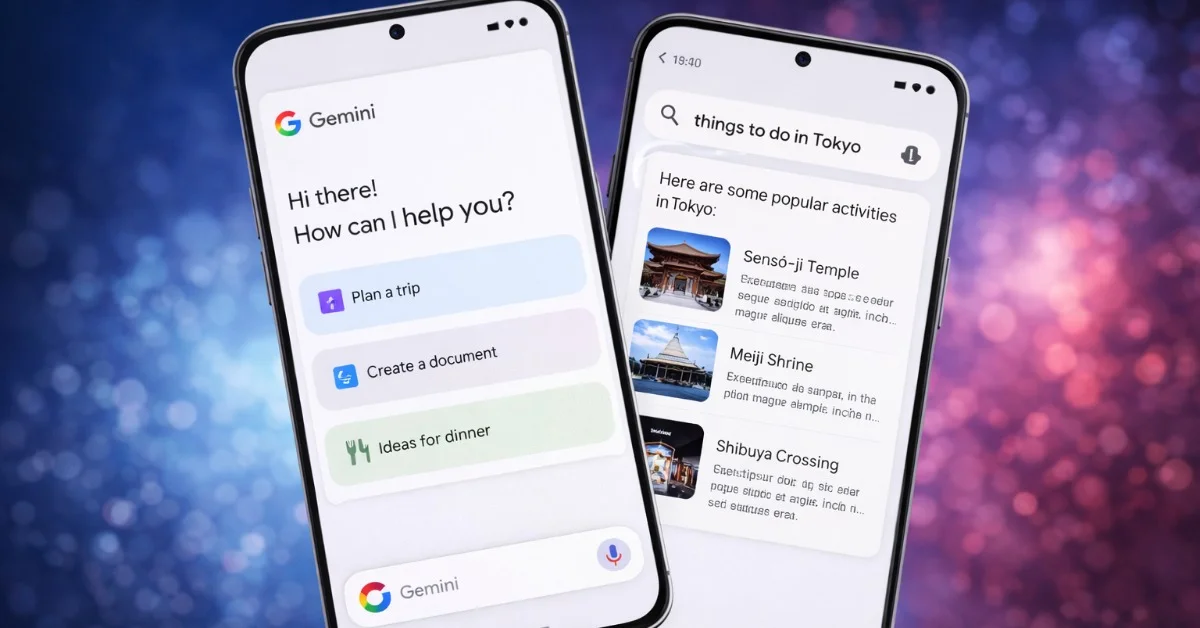
Google and Samsung are moving quickly with Gemini and Galaxy AI, while Apple is moving more cautiously. That caution can frustrate users who expect fast feature parity, especially around Siri. But it also lets Apple tie AI features to privacy, device performance and long-term software support. For many iPhone users, the question is not whether Apple has the flashiest chatbot. It is whether AI can help inside Messages, Mail, Photos and Notes without making the phone feel less private or less reliable.
Apple Intelligence therefore changes the mobile AI race in a quieter way. The company is not trying to turn the iPhone into a generic AI terminal. It is trying to make AI feel like a native part of iOS. The success of that approach will depend on how quickly Apple improves Siri, how many languages and regions receive complete support, and whether everyday features become useful enough that users stop thinking of them as separate AI tools.