Smartphone innovation in 2026 is shifting toward AI features, camera systems and battery endurance, but the market backdrop is not as simple as “phones are getting better.” Analysts are also warning about weaker shipment volumes, memory constraints and higher component costs. That makes the year more complicated: premium devices are becoming smarter while the overall market faces pressure.
IDC’s MWC 2026 analysis describes a move from merely “smart” devices toward more intelligent products, with AI-capable hardware and software becoming a central industry theme. At the same time, IDC expects smartphone shipments to decline sharply in 2026 because of macroeconomic softness and memory availability pressures. Innovation is happening, but it is happening in a tougher market.
AI is becoming part of the phone experience
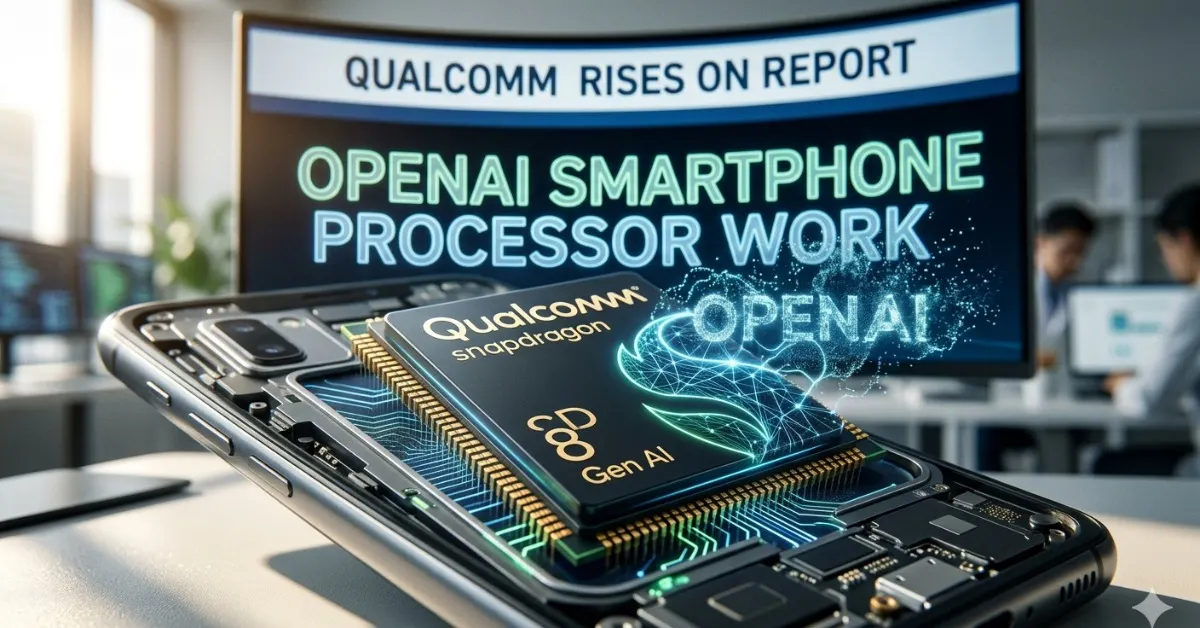
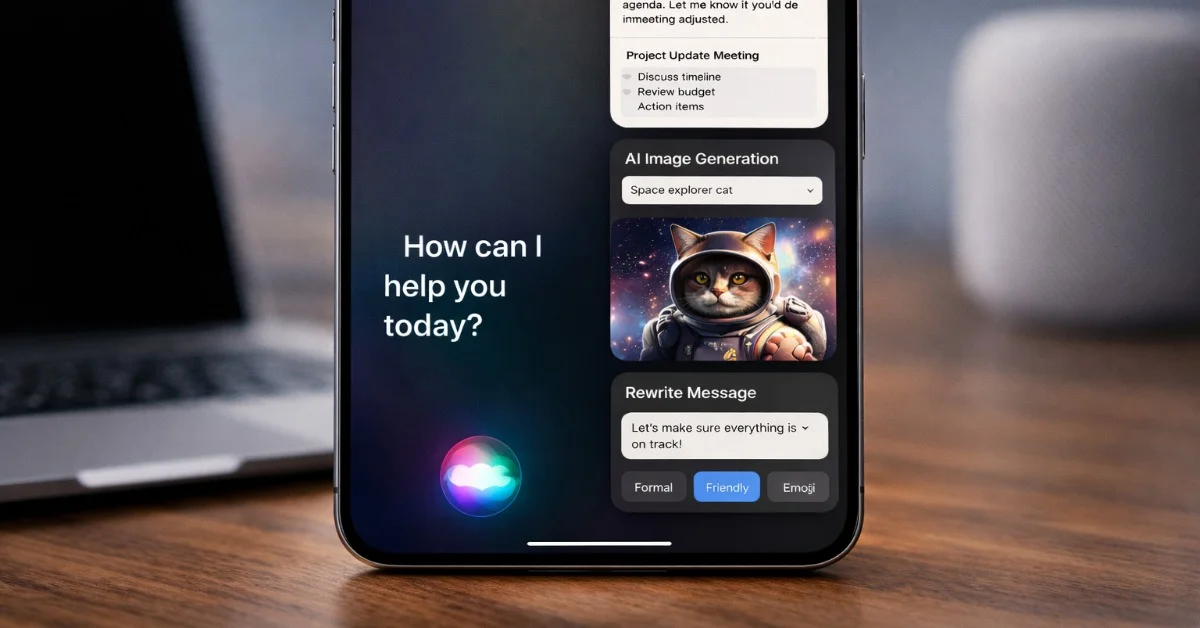
AI in phones is no longer limited to camera scene detection or voice assistants. Manufacturers are adding on-device summarization, image editing, translation, contextual search, writing tools and more proactive assistant features. The most important shift is that AI is moving deeper into the operating system and default apps, rather than appearing only as a separate chatbot.
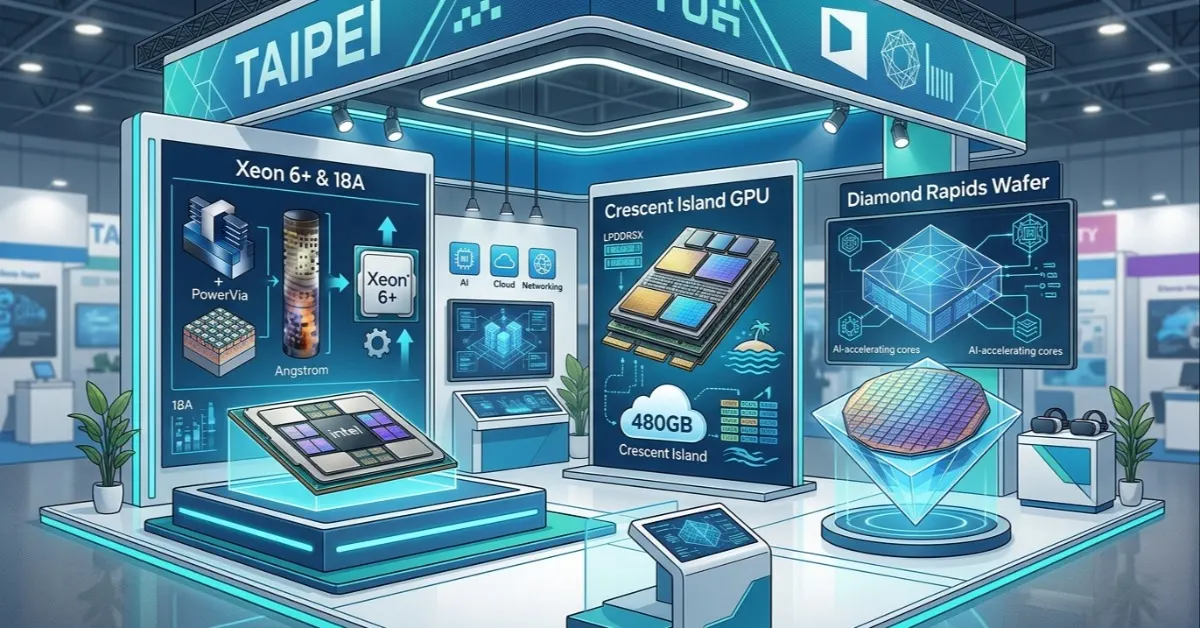
That creates a new hardware requirement. AI features need memory, storage, neural processing and thermal headroom. A midrange phone can support some features, but the best experiences may remain tied to premium chips and larger RAM configurations. In a year of memory pressure, that creates a difficult balance between affordability and capability.
Cameras remain a major battleground
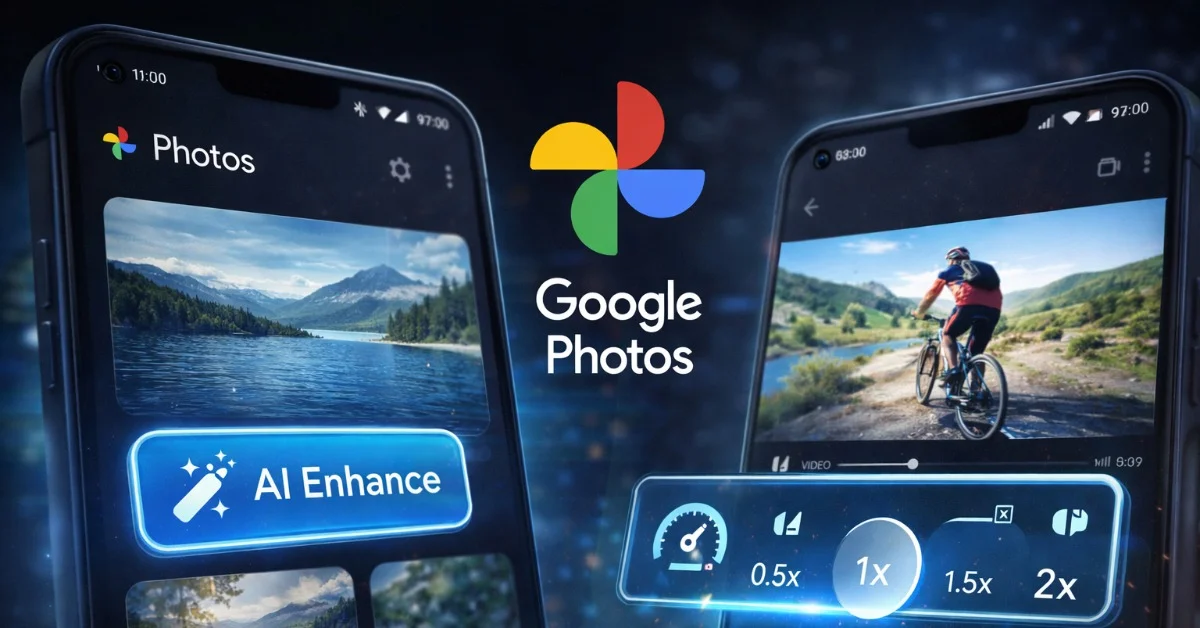
Camera upgrades still matter because they are visible to ordinary users. Larger sensors, periscope zoom modules, better stabilization, computational photography and AI-assisted editing all help brands differentiate similar-looking phones. The camera is also where on-device AI feels most immediate: removing objects, improving night shots, generating short clips or stabilizing video can be understood without technical explanation.
The risk is that marketing can outrun real quality. A high megapixel count or an “AI camera” label does not guarantee better photos. Lens quality, sensor size, image processing and consistency across lighting conditions matter more than headline numbers. In 2026, buyers should treat camera claims as something to compare through reviews, not just spec sheets.
Battery capacity is back in focus
Battery life is becoming a stronger selling point again. More AI processing, brighter screens, satellite features, advanced cameras and faster modems all add pressure to energy use. Silicon-carbon batteries and larger cells are helping some brands push capacity higher without making phones dramatically thicker, especially in Chinese flagship and foldable designs.
Longer endurance is not only about cell size. Efficient chips, display tuning, thermal design and software power management all contribute. A phone with a huge battery can still disappoint if its processor or software wastes energy. Conversely, a smaller battery can perform well if the platform is efficient.
Market pressure changes what innovation means
IDC’s forecast of a major 2026 shipment decline means vendors cannot rely only on volume growth. Component constraints and memory costs may push average prices higher, making premium and upper-midrange phones more important. Brands will need to justify upgrades with features that users actually notice.
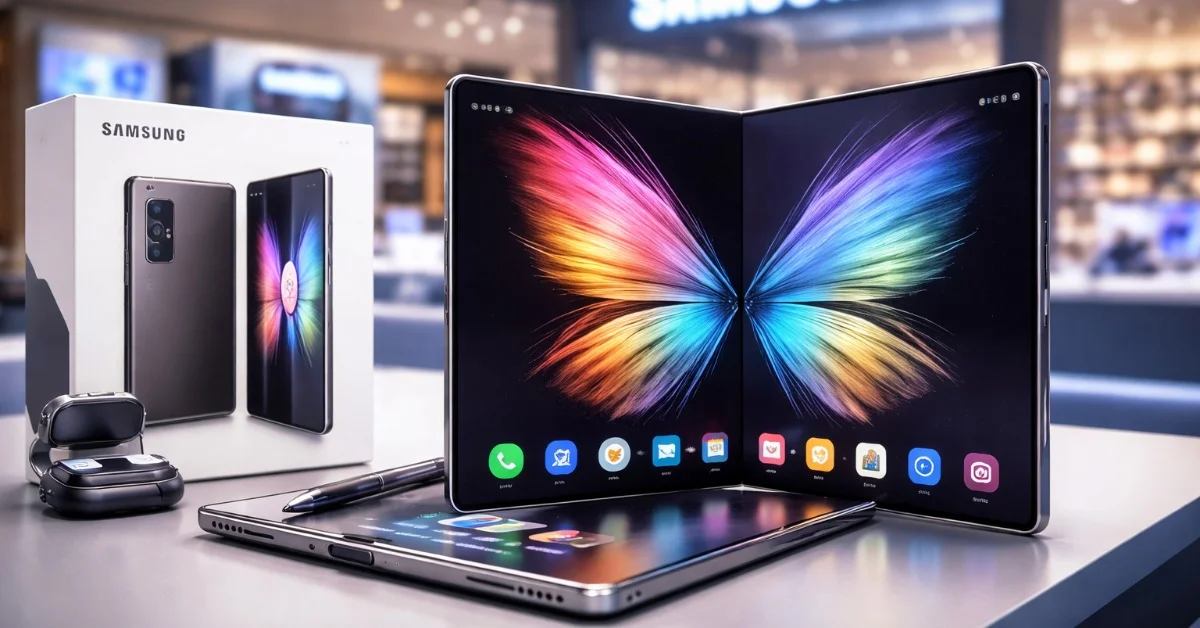
That may explain why 2026 smartphone innovation feels more practical than spectacular. AI that saves time, cameras that work reliably and batteries that last longer are easier to sell than marginal benchmark gains. Foldables, satellite communication and experimental form factors still matter, but mainstream demand will depend on everyday value.
The buyer takeaway
For buyers, the best 2026 phone will not simply be the one with the fastest chip. It will be the device that balances AI usefulness, camera quality, battery endurance, update support and price. The market is becoming more intelligent, but also more expensive and more segmented.
Manufacturers will continue to use AI, cameras and batteries as headline features. The smarter question is whether those features are available in the user’s region, whether they work offline or depend on cloud services, how long they remain supported and whether they justify the upgrade cost. In 2026, the phone spec sheet is only the start of the decision.