Framework founder Nirav Patel has warned that personal computing could change fundamentally as AI infrastructure absorbs memory, storage, silicon and power at a scale that traditional consumer hardware markets may struggle to match. His argument is not that laptops will disappear overnight. It is that the ownership model behind personal computers is under pressure.
The warning came in a Framework blog post tied to the company’s April 21 Next Gen event. Patel described a “winner takes all” race toward an AI-first world in which access to computing is increasingly metered by the token, while more processing shifts into cloud systems controlled by large technology companies.
A warning about ownership, not just PC prices
The strongest line in Patel’s post was that there is a real scenario in which personal computing as people know it is dead. The statement was deliberately stark, but the surrounding argument was broader than a single market forecast. Patel connected AI-driven demand for components to rising costs, supply pressure and a shift from devices users own to services they rent.
That matters because personal computing has historically meant more than having a screen and keyboard. It has also meant the ability to choose an operating system, replace or upgrade parts, keep data local and use a machine without turning every core feature into a cloud subscription. Framework’s position is that those freedoms are becoming harder to preserve as the industry concentrates more computation inside large data centers.
Why AI infrastructure is part of the story
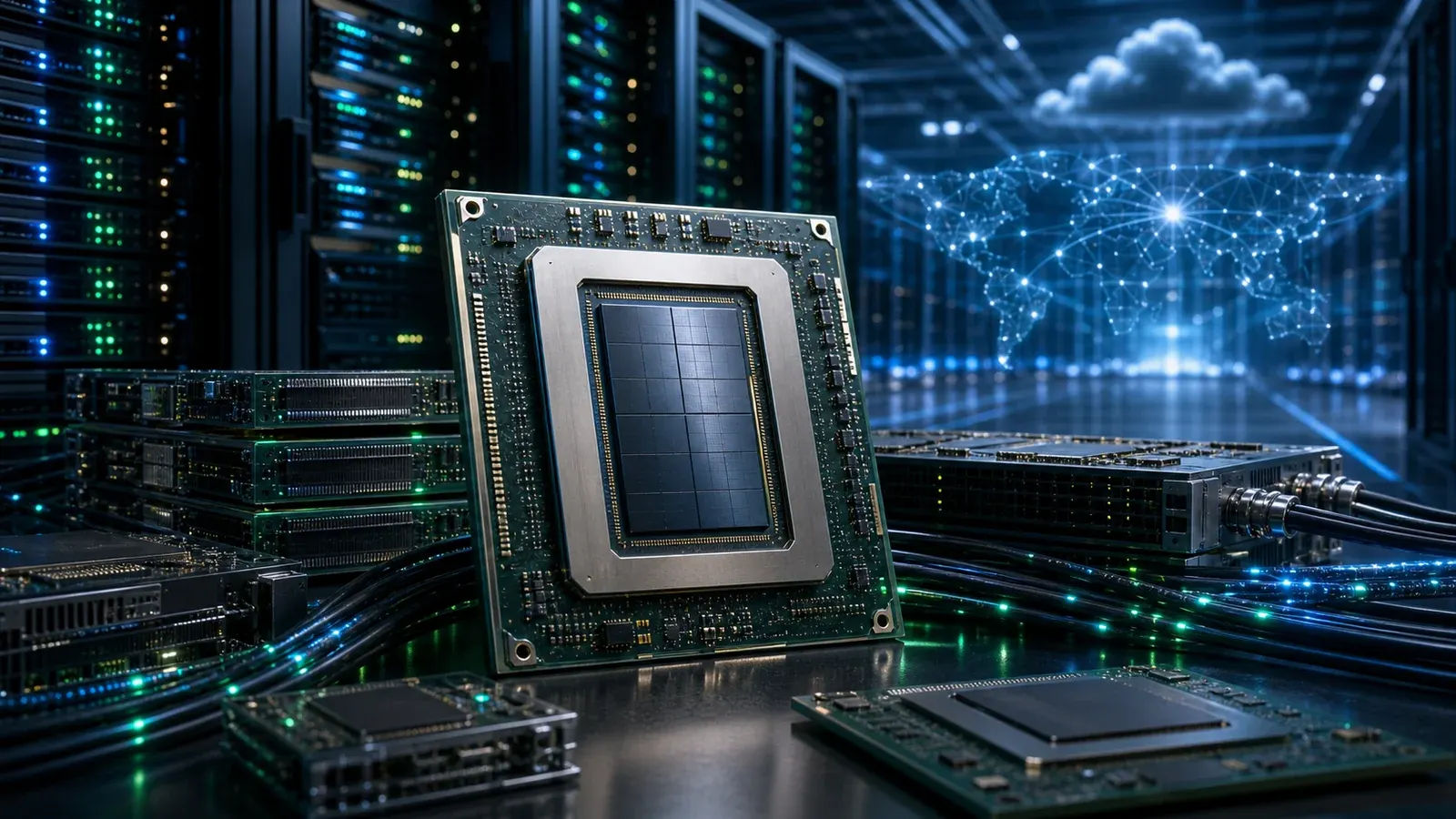
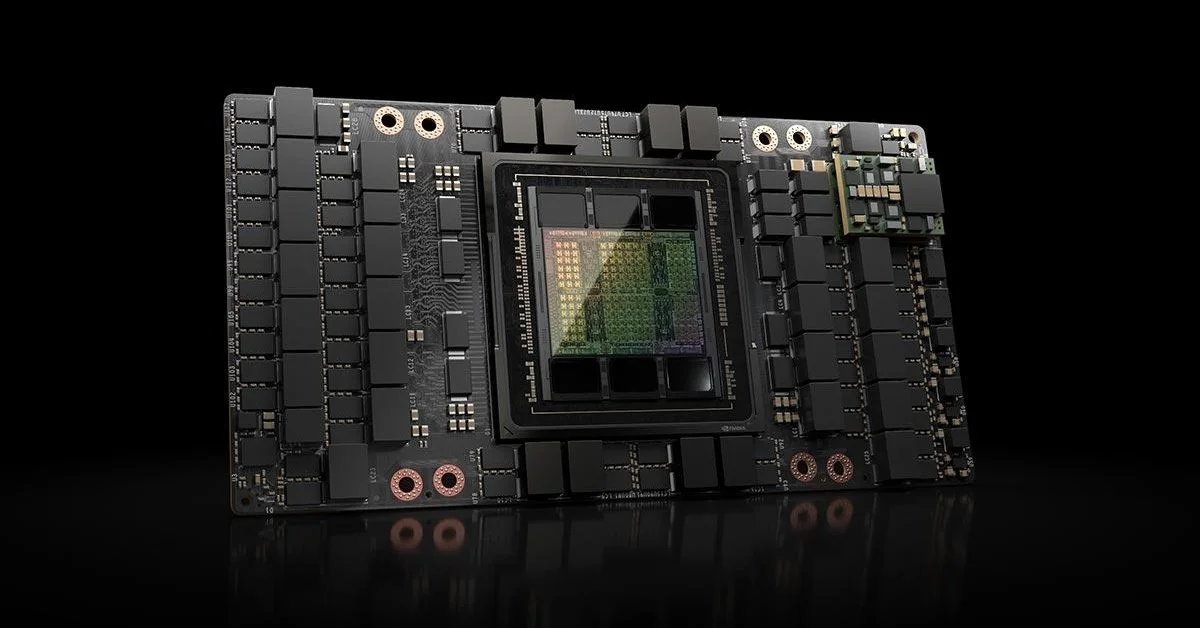
AI companies and cloud providers have become major buyers of GPUs, memory, storage and server processors. That demand can affect pricing and availability across the wider electronics supply chain. Patel argued that if cloud systems produce more economic value per unit of compute than personal devices, supply will naturally flow toward cloud infrastructure first.
Independent coverage from Tom’s Hardware and other PC outlets treated the post as both a warning and a company manifesto. Framework has built its brand around modular laptops, repairability and user control, so the statement also reinforces the company’s positioning against locked-down devices and subscription-heavy ecosystems.
Framework’s answer is repairable hardware
Framework says it will continue building computers that users can own “at the deepest level.” In practical terms, that means devices designed for repair, upgrade, component replacement and operating-system choice. The company’s existing laptops already lean into replaceable ports, user-accessible parts and long-term upgrade paths.
This approach does not solve every market pressure. Memory and storage prices can still rise; advanced components can still become harder to source; and not every user wants to maintain or upgrade hardware. But Framework’s argument is that repairable and ownable machines remain an important counterweight to a future where computing becomes mostly leased access to remote infrastructure.
What Framework’s warning says
“Personal computing is dead” is more useful as a provocation than as a literal market conclusion. Millions of people still buy and use PCs, and local computing remains essential for gaming, development, media work, education, privacy and offline use. The more credible concern is that the default business model may shift away from ownership if cloud AI economics dominate hardware planning.
For users, the practical question is whether future devices will remain repairable, open enough to control and powerful enough to run meaningful workloads locally. For the industry, the question is whether consumer hardware can compete for components in a world where AI data centers are willing to pay heavily for the same supply.
A manifesto ahead of new hardware
The Framework post was also timed as a lead-in to new product announcements. That makes it both a warning about the industry and a statement of brand identity. Patel is making the case that personal computing needs companies willing to defend user control at the hardware level, not only software promises about openness.
The coming years will show whether that position remains a niche enthusiast value or becomes a broader consumer issue. If AI infrastructure keeps pushing component demand higher, repairability and true ownership may become less of a hobbyist preference and more of a practical economic argument.