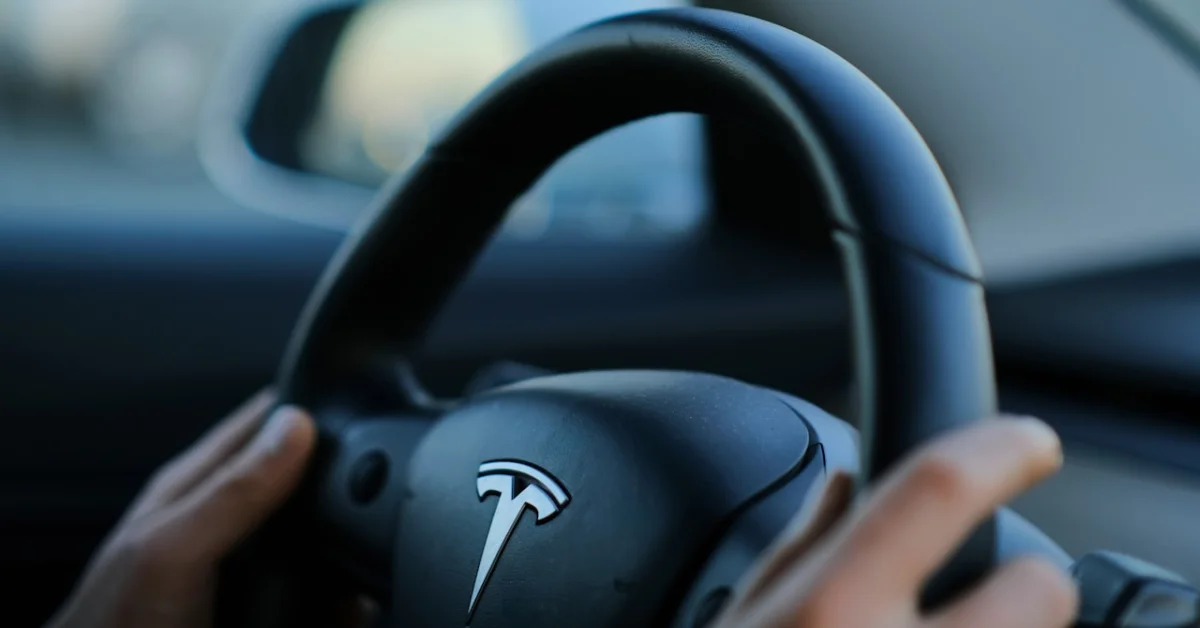
Dutch vehicle authority RDW has issued a provisional approval for Tesla’s Full Self-Driving Supervised system, making the Netherlands the first European country to allow the driver-assistance feature on public roads under that route. The decision is significant for Tesla, but it does not mean the system has become autonomous, nor does it automatically clear the way for an immediate rollout across the entire European Union. RDW said it examined and tested FSD Supervised for more than a year and a half on test tracks and public roads before granting provisional validity.
What the Dutch approval covers
The most important word is “supervised.” Tesla’s system can steer, accelerate and navigate certain driving tasks, but the driver remains responsible and must keep supervising the car. That distinction is central to the regulatory debate in Europe. The approval does not turn a Tesla into a driverless vehicle, and it does not remove the need for human attention behind the wheel.
The Dutch process also sits within a wider European type-approval discussion. Reuters has reported that Tesla and RDW are using a route for new technology not fully covered by existing rules. That means the Dutch decision is a step forward for Tesla, but the next stage depends on how other European authorities and EU-level committees respond.
Why other regulators are cautious
Automated-driving features create difficult questions for regulators. They must weigh innovation and consumer demand against driver behavior, liability, road design, weather conditions and the risk that users overestimate what the system can do. Several European regulators have been cautious about the branding and real-world behavior of systems marketed as “Full Self-Driving,” especially when they still require continuous supervision.
Reuters has also reported that Flanders in Belgium is considering whether to follow the Dutch path, while Nordic regulators have expressed skepticism. That mix of responses shows why the Netherlands decision should not be treated as an EU-wide green light. It is an important precedent, not the final approval for all markets.
What this means for Tesla owners
For Tesla owners in Europe, the practical outcome remains limited until local approval and software availability are confirmed market by market. Even where FSD Supervised is allowed, drivers should expect clear responsibility rules and supervision requirements. The feature may make certain tasks easier, but it does not make the car legally or technically independent.
For Tesla, the Dutch decision is still valuable. It gives the company a regulatory foothold and a reference case for further discussions. The harder part now is convincing enough European authorities that the system can operate safely under supervised conditions without creating confusion for drivers. The next meaningful signal will come from how EU-level review and individual member states respond after the Dutch provisional approval.
The branding remains a sensitive part of the debate. “Full Self-Driving” sounds broader than the supervised system regulators are actually reviewing. That gap between product name and legal responsibility is one reason European authorities are moving carefully. If Tesla wants a wider rollout, it will need not only technical evidence but also clear communication that drivers cannot hand off responsibility. The regulatory outcome will depend as much on trust and monitoring as on the software’s driving behavior.