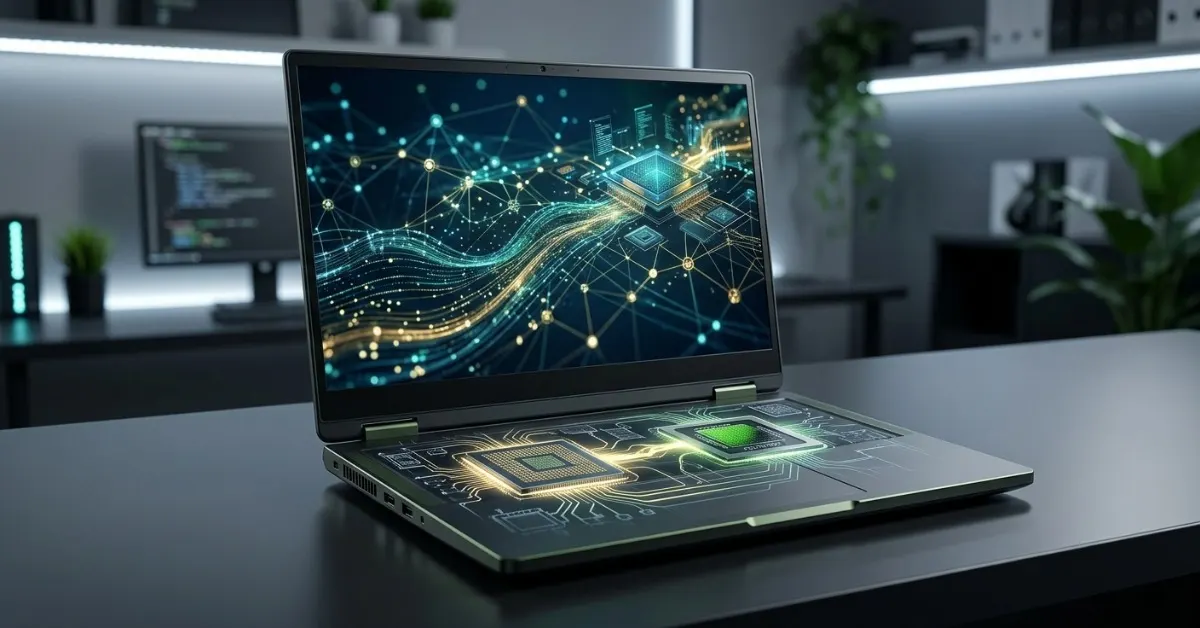
Google used The Android Show: I/O Edition on May 12 to put Gemini deeper inside Android and to preview Googlebook, a new laptop category built around Gemini Intelligence. The company says the first Googlebooks will come from Acer, ASUS, Dell, HP and Lenovo later in 2026. The pitch is not simply another chatbot on a laptop; Google is presenting Gemini as a system layer that can understand what is on screen, move across permitted apps and connect Android phones, watches, cars and laptops more tightly.
Google is also trying to place Googlebook as a successor to the broader Chromebook idea rather than an immediate replacement. Existing Chromebooks are still supported through their committed update dates, while the new category brings Android apps, Chrome, Gemini and phone continuity into one platform. Pricing, exact models and regional availability remain open until partners announce their hardware.
Gemini Intelligence moves into Android workflows
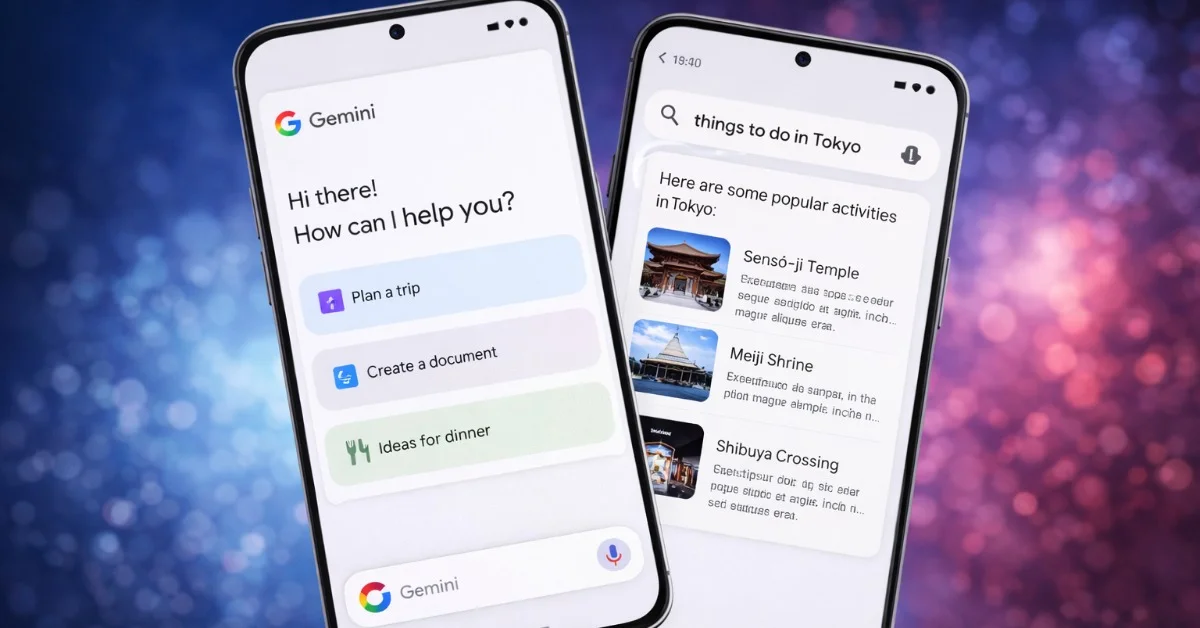
The main Android change is cross-app assistance. Google showed examples such as turning a visible grocery list into a delivery cart, reading an event flyer and starting travel research, or helping complete longer mobile forms with opt-in personal context. The company says automation will stop before sensitive actions such as final purchases, and users will be able to decide which apps Gemini can access.
That distinction matters. A system-level AI layer can be useful only if permissions, privacy controls and visible handoff points are clear. Google is therefore framing Gemini Intelligence as a controlled assistant rather than a background agent that can freely act across the phone. Features such as Rambler for turning spoken thoughts into polished text and Screen Reactions for combined screen and user recording point in the same direction: Android is being redesigned around assistance that appears inside normal device tasks.
Googlebook is the laptop bet
On Googlebook, the most visible feature is Magic Pointer. Google says users will be able to point the cursor at something on screen and receive contextual actions, such as creating a meeting from a date in an email or combining two selected images into a new visual idea. The platform also includes Glowbar, Cast My Apps for using phone apps on the laptop screen, and Create My Widget, a natural-language widget builder that can sync to Wear OS.
The hardware strategy is deliberately partner-led. By naming Acer, ASUS, Dell, HP and Lenovo, Google is signaling that Googlebook is meant to become an ecosystem rather than a single showcase device. Still, the category is early. Until pricing, battery life, offline behavior and enterprise management details are published, Googlebook should be treated as a platform preview, not a proven laptop replacement.
Android 17, security and migration updates
The show also previewed several Android 17 and ecosystem changes. Theft protection defaults are expanding, Quick Share is gaining AirDrop compatibility with major Android brands, and wireless iOS-to-Android migration is being broadened to cover passwords, photos, messages, apps, contacts, home screen layouts and eSIMs. Adobe Premiere Pro is also coming to Android with Ultra HDR, stabilization and Night Sight support for Instagram workflows.
The larger message is clear: Google wants Android to feel less like a phone operating system and more like a connected AI platform. The unanswered question is whether users will trust that much automation in daily work. Google I/O on May 19 should fill in more details, but the Android Show already set the direction: Gemini is moving from a separate app into the device layer itself.